CallGet a Quote
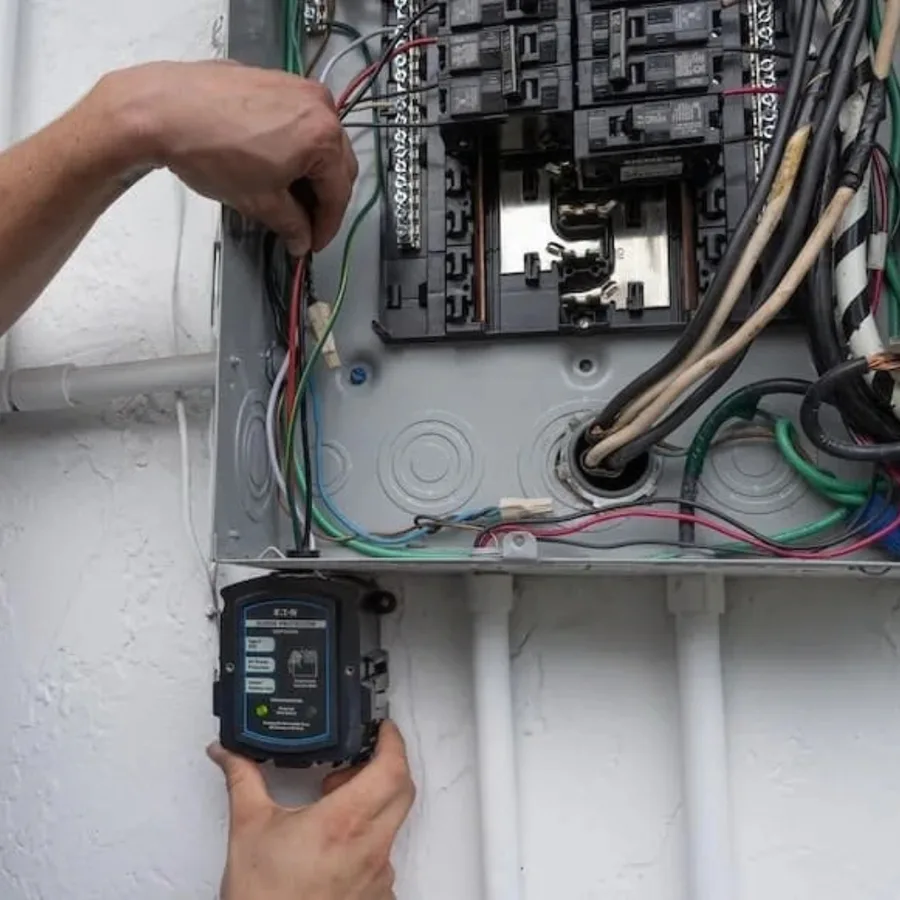
Electrician connecting a surge protective device to conductors inside an open electrical panel

Whole-Home Surge Protection Integration in Utah

Help protect appliances, electronics, and connected home systems from damaging voltage spikes. O'Bray Electric installs whole-home surge protection for Utah homes and businesses, with work led by a licensed Master Electrician.

Master Electrician

Highest tier of electrical licensing in Utah.

Licensed & Insured

Fully licensed and insured for your protection.

100% Satisfaction

We stand behind every install with a full guarantee.

Affordable & Fair Pricing

Honest written quotes, no surprises, fair pricing every time.

Get A Quote

Loading the quote form...

Panel-Level Protection for Your Electrical System

Electrical surges can enter a property through utility lines or develop inside the building when motors, compressors, appliances, and other equipment switch on and off. These brief voltage spikes can damage sensitive components immediately or contribute to wear over time.

A whole-home surge protective device is installed at the electrical panel to help limit excess voltage before it reaches connected equipment. O'Bray Electric evaluates the panel, electrical system, grounding and bonding conditions, and selected device before completing the installation.

Protect More Than a Single Outlet

Have a licensed Master Electrician integrate surge protection at your electrical panel to help protect appliances, electronics, and connected home systems.

Whole-Home Surge Protection Services

The correct surge protection setup depends on the electrical system, panel, equipment, and property.

Whole-Home Surge Protector Installation

We install compatible surge protective devices at the electrical panel or another appropriate point in the electrical system. The equipment is selected and installed according to its specifications and the property's electrical configuration.

Surge Protection During Panel Upgrades

A panel upgrade can be a practical time to include whole-home surge protection. The device can be planned as part of the new panel layout rather than added later.

Existing System Integration

Surge protection may be added to many existing electrical systems when the panel, available space, equipment compatibility, and installation conditions allow it.

Surge Protector Replacement

Surge protective devices have a limited service life. A device may require replacement after absorbing significant surge activity, showing a warning indicator, sustaining damage, or reaching the end of its recommended service period.

Residential Surge Protection

Panel-level protection can help reduce surge exposure for household appliances, electronics, lighting controls, heating and cooling equipment, and other connected systems.

Commercial Surge Protection

Businesses may use surge protection to help protect office equipment, lighting controls, point-of-sale systems, appliances, and other sensitive electrical equipment. The installation should be planned around the property's electrical system and operational needs.

Is Your Home Protected From Electrical Surges?

Add panel-level surge protection as part of a layered approach to protecting appliances, electronics, and sensitive electrical equipment.

Discuss Surge Protection

What Causes Electrical Surges?

Electrical surges can come from outside or inside a property.

  • Utility Events

    Changes within the utility system, power restoration, switching activity, and other grid conditions can create voltage fluctuations that reach connected properties.

  • Lightning Activity

    Nearby lightning can induce voltage spikes in electrical and communication lines. Whole-home surge protection can help reduce certain surge effects, but no device can guarantee protection against every lightning event or direct strike.

  • Large Appliances and Motors

    Air conditioners, refrigerators, pumps, motors, and other equipment can create smaller internal surges when they start, stop, or cycle.

  • Power Interruptions

    Outages and the restoration of power can create changing electrical conditions that affect connected equipment.

  • Electrical System Problems

    Loose connections, damaged wiring, faulty equipment, and other electrical problems may create abnormal conditions. Surge protection does not replace necessary electrical repairs.

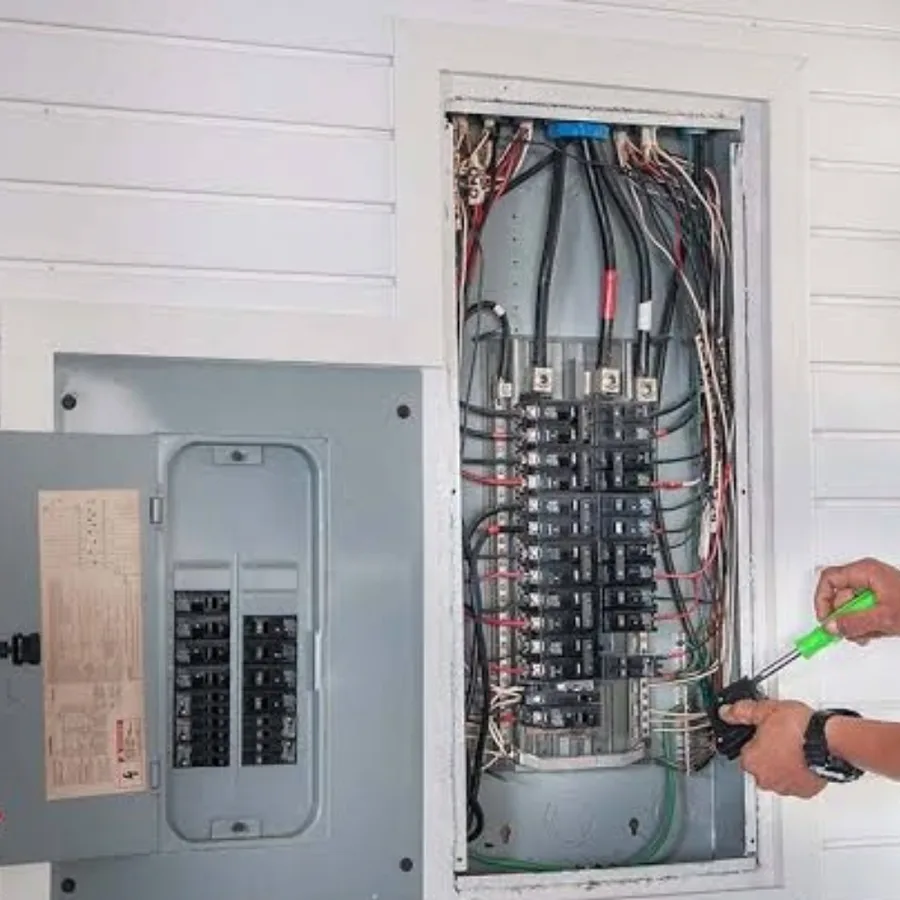
Electrician using a screwdriver on breakers inside an open residential electrical panel

Abnormal conditions caused by loose connections or damaged wiring should be corrected directly through electrical repairs. Surge protection does not replace that work.

What Whole-Home Surge Protection Can Help Protect

Modern properties contain sensitive electronic components in more places than many owners realize.

Panel-level surge protection may help reduce surge exposure for:

  • Televisions and entertainment equipment
  • Computers and networking equipment
  • Refrigerators and freezers
  • Washers and dryers
  • Electric ranges and ovens
  • Heating and cooling equipment
  • Smart thermostats
  • Lighting controls
  • Security systems
  • Garage-door openers
  • Home-office equipment
  • EV-charging equipment
  • Connected appliances
  • Other compatible electrical equipment

Protection depends on the surge source, strength, path, electrical system, device ratings, grounding and bonding, and installation conditions. Planned EV charging equipment should be included in the discussion as well.

Person's hands sheltering a small model house on a white surface

Whole-Home Devices and Plug-In Protectors

A whole-home surge protector and a plug-in device serve different positions within the electrical system.

Panel-Level Protection

A whole-home device is installed at the panel or another suitable point to help limit surge voltage before it travels through branch circuits.

Point-of-Use Protection

Compatible plug-in surge protectors can provide another layer of protection for selected electronics. They should be properly rated and used according to the manufacturer's instructions.

Layered Surge Protection

Using panel-level protection with suitable point-of-use devices can provide a layered approach. This is especially useful for valuable or sensitive equipment connected through electrical, data, cable, or communication lines.

A standard power strip is not necessarily a surge protector. Product labeling and specifications should be checked before relying on it for surge protection.

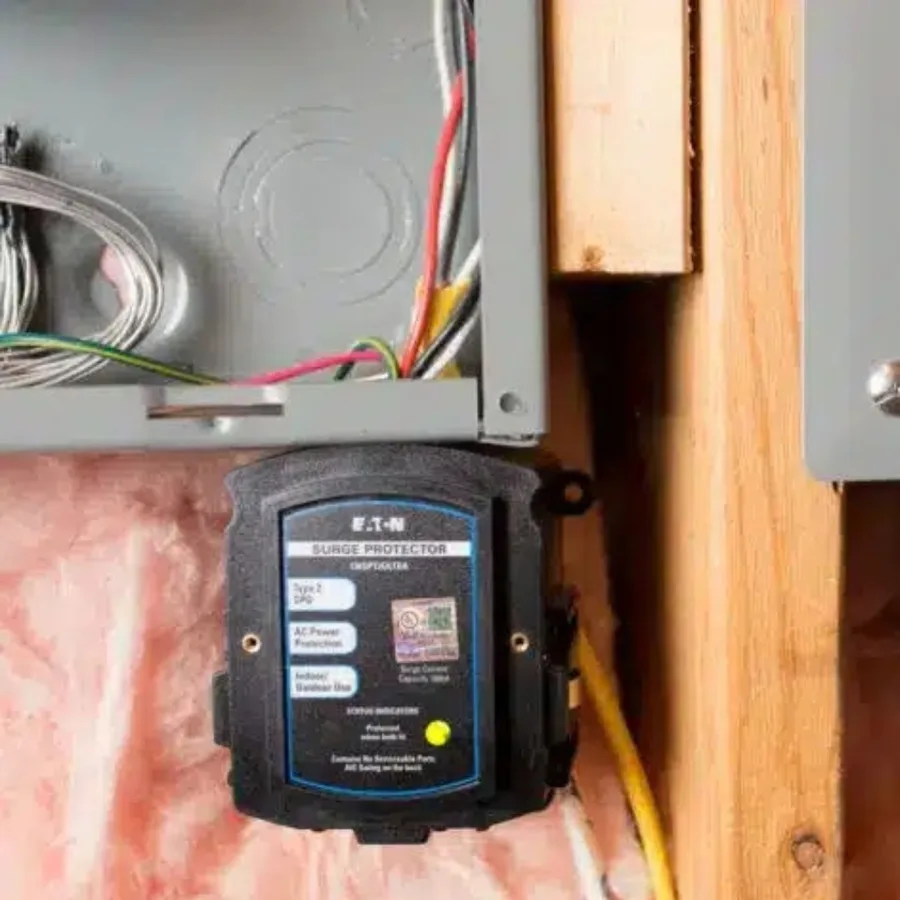
Surge protective device mounted beside an open electrical panel on a framed wall

Panel and Electrical System Considerations

Before installing a surge protective device, O'Bray Electric can evaluate:

  • Electrical panel type and condition
  • Device and panel compatibility
  • Available installation space
  • Service and system configuration
  • Grounding and bonding conditions
  • Breaker compatibility
  • Manufacturer specifications
  • Indoor or outdoor equipment location
  • Existing electrical concerns
  • Applicable permit and inspection requirements

A panel upgrade is not automatically required to add surge protection. The appropriate installation depends on the existing equipment and electrical system, which can be reviewed through a panel assessment or planned alongside electrical panel upgrades.

Grounding and Bonding Matter

A surge protective device works as part of the larger electrical system. Grounding and bonding conditions can affect how surge energy is managed.

An assessment may consider:

  • Service grounding connections
  • Bonding of applicable electrical equipment
  • Visible damage or corrosion
  • Loose or unsuitable connections
  • Existing electrical-system configuration
  • Other accessible conditions relevant to the installation

Surge protection cannot correct damaged wiring, improper grounding, or other electrical problems. Those concerns should be addressed separately when identified.

Limits of Surge Protection

Whole-home surge protection can reduce the risk of damage, but it cannot prevent every possible electrical loss.

Performance may be affected by:

  • The strength and duration of the surge
  • A direct lightning strike
  • The path the surge follows
  • Device ratings and condition
  • Grounding and bonding
  • Electrical system condition
  • Surges entering through cable, telephone, data, or other connections
  • Installation quality
  • Equipment sensitivity

A surge protector does not make a property completely surge-proof. It is one part of a broader electrical protection strategy.

Signs a Surge Protector May Need Attention

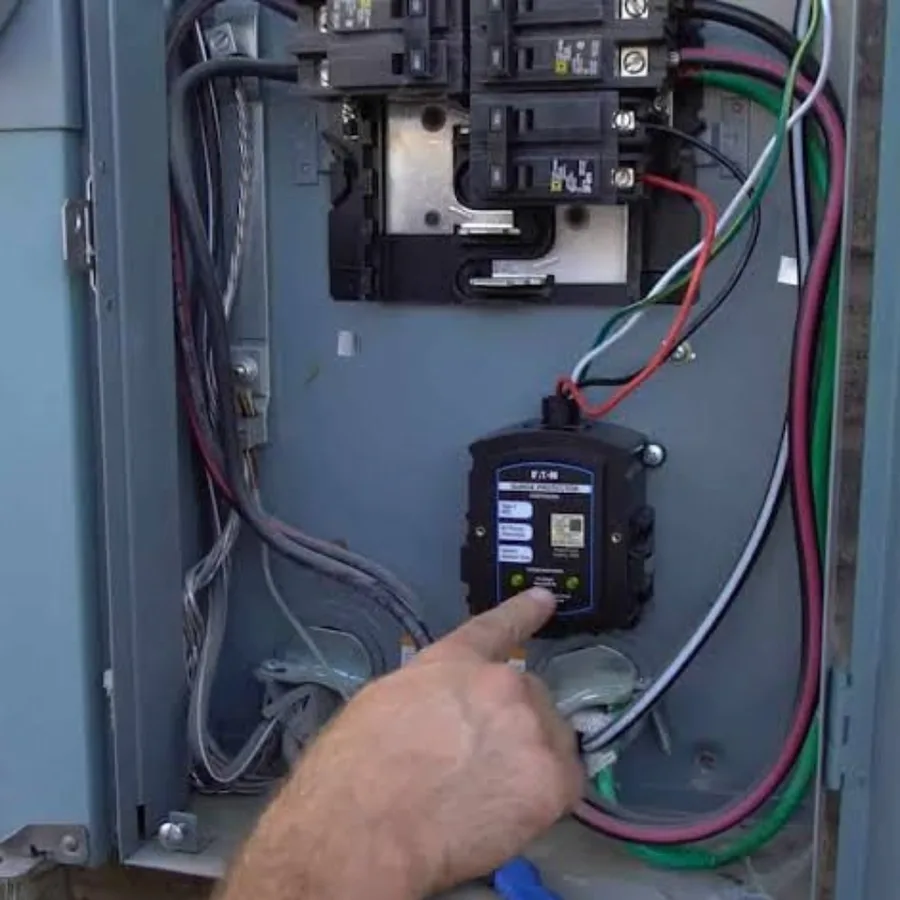
Some surge protective devices include indicator lights or status displays. The device may need inspection or replacement if:

  • Its protection indicator is off
  • A warning light or alert appears
  • The device shows visible damage
  • The panel area has experienced overheating
  • The property recently experienced a major surge event
  • The manufacturer's recommended replacement period has passed
  • The device's status cannot be confirmed
  • Electrical work has changed the panel or service configuration

Do not remove the electrical panel cover or attempt to inspect internal connections yourself. Have the equipment evaluated by an electrician.

Hand pointing to the status indicator lights on a surge protective device inside a panel enclosure

Our Surge Protection Installation Process

  1. 1

    Discuss Your Protection Needs

    Tell us about the property, electrical equipment, existing panel, previous surge concerns, and any planned electrical upgrades.

  2. 2

    Assess the Electrical System

    We evaluate the accessible panel, service configuration, grounding and bonding conditions, available space, and relevant electrical concerns.

  3. 3

    Select a Compatible Device

    We identify surge protection equipment appropriate for the panel, electrical system, installation location, and project scope.

  4. 4

    Complete the Installation

    We install the device according to its specifications and the requirements of the electrical system.

  5. 5

    Test and Explain the Equipment

    We verify the completed installation and explain how to identify the device's normal status or replacement indicator.

  6. 6

    Coordinate Applicable Requirements

    We help manage any permit or inspection requirements that apply to the installation.

Why Choose O'Bray Electric?

O'Bray Electric is a family-run Utah electrical contractor led by a licensed Master Electrician. We evaluate the electrical system before recommending surge protection and explain what the equipment can and cannot do.

Customers choose O'Bray Electric for:

  • Master Electrician-led expertise
  • Residential and commercial service
  • Panel and device compatibility checks
  • Grounding and bonding evaluation
  • Clear, plain-English recommendations
  • Attention to safety and code compliance
  • Permit and inspection coordination when applicable

Frequently Asked Questions

What is whole-home surge protection?

Whole-home surge protection uses a device installed at the electrical panel or another appropriate point in the system. It helps limit excess voltage before it reaches branch circuits and connected equipment.

What can cause an electrical surge?

Surges may result from utility activity, power restoration, nearby lightning, switching equipment, large appliances, motors, or electrical-system problems. Some originate outside the property, while others develop within it.

Does whole-home surge protection replace plug-in surge protectors?

Not necessarily. Panel-level protection and suitable point-of-use devices can work together as part of a layered approach. Plug-in protection may still be appropriate for sensitive or valuable equipment.

Can a whole-home surge protector prevent all electrical damage?

No. It can help reduce the risk of surge-related damage, but it cannot guarantee protection from every surge, direct lightning strike, utility event, equipment failure, or wiring problem.

Can surge protection be installed in any electrical panel?

Many panels can support surge protection, but compatibility, condition, available space, grounding and bonding, and system configuration must be evaluated first. Some installations may require additional electrical work.

How do I know when a surge protective device needs replacement?

Check the device's status indicator according to the manufacturer's instructions. Replacement may be needed if the protection indicator is off, an alert appears, the device is damaged, or it has reached the end of its recommended service life.

Get started

Discuss Whole-Home Surge Protection

Add panel-level protection as part of a practical strategy for protecting appliances, electronics, and connected systems. O'Bray Electric can evaluate your electrical panel, recommend compatible equipment, and complete the installation correctly.

  • Master Electrician-led service
  • Panel-level surge protection
  • Residential and commercial installation
  • Panel compatibility assessment
  • Grounding and bonding evaluation
  • Clear guidance about device status and limitations

Get A Quote

Loading the quote form...

Service Area

Serving The Wasatch Front And Beyond

We're a service-area business, no storefront required. Our experienced electricians travel to homes and businesses across Salt Lake, Utah, Tooele, and Davis counties so you get expert work without leaving your driveway.

Wasatch Front Service Area

Salt Lake, Tooele, Utah, and Davis counties, with service brought directly to your home or business.

Cities We Serve

Tap A County To Expand

  • Salt Lake City
  • Sandy
  • Holladay
  • Cottonwood Heights
  • Sugar House
  • Midvale
  • Murray
  • Millcreek
  • Taylorsville
  • West Jordan
  • South Jordan
  • West Valley City
  • Kearns
  • Magna
  • Riverton
  • Herriman
  • Bluffdale
  • Draper
  • South Salt Lake