CallGet a Quote
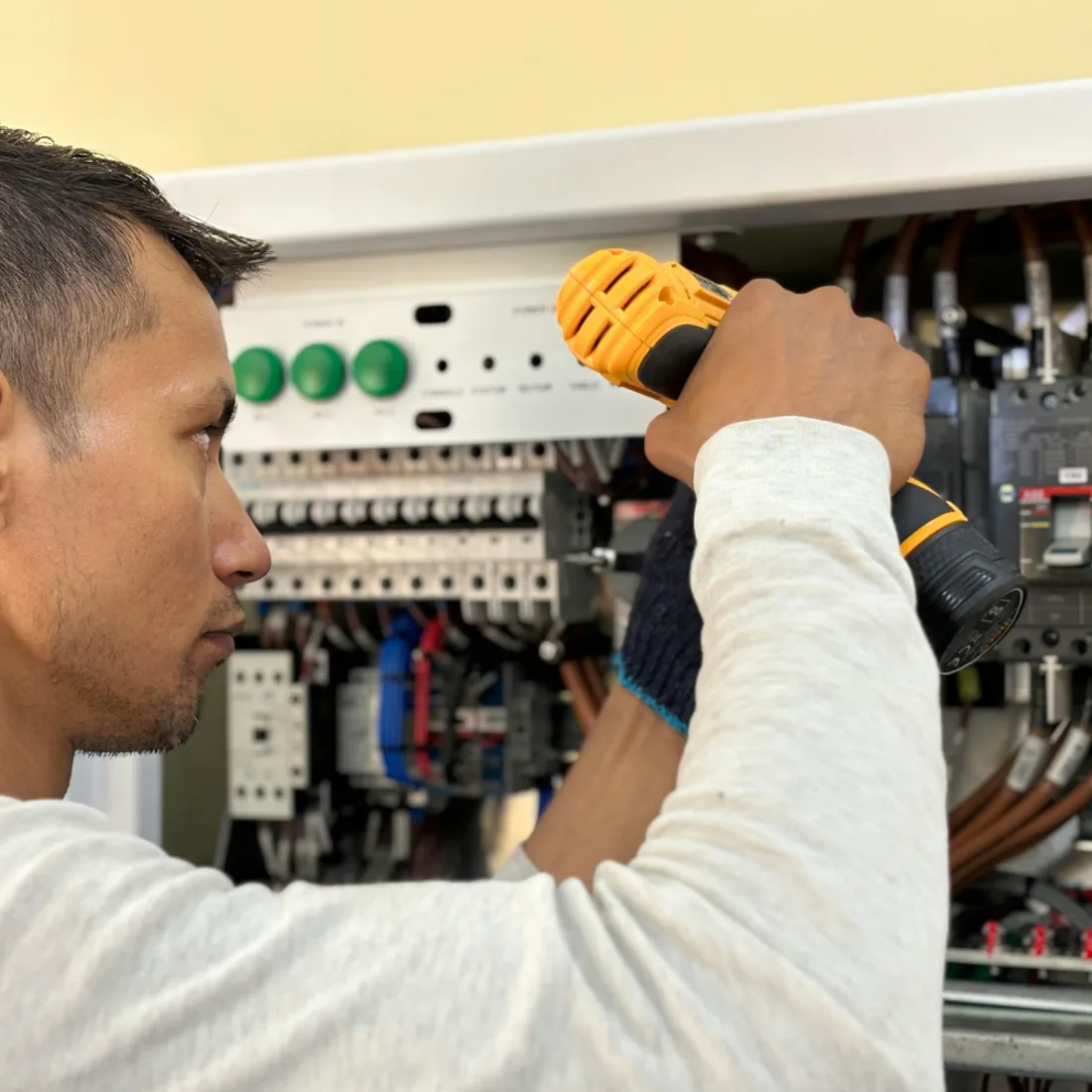
Electrician using a cordless drill while working inside an open electrical panel with rows of breakers

Electrical Panel Assessment and Load Calculation Services in Utah

Understand your electrical system before adding new equipment or planning an upgrade. O'Bray Electric provides electrical panel assessments and load calculations for Utah homes and businesses, with work led by a licensed Master Electrician.

Master Electrician

Highest tier of electrical licensing in Utah.

Licensed & Insured

Fully licensed and insured for your protection.

100% Satisfaction

We stand behind every install with a full guarantee.

Affordable & Fair Pricing

Honest written quotes, no surprises, fair pricing every time.

Get A Quote

Loading the quote form...

Understand Your Panel's Condition and Capacity

An electrical panel distributes power throughout the property, but its labeled rating does not tell the whole story. Existing electrical demand, panel condition, available breaker space, service capacity, wiring, and planned equipment must all be considered.

O'Bray Electric can assess the existing panel and calculate the property's electrical demand before a remodel, equipment installation, or panel upgrade. We explain the findings in plain English so you can make an informed decision about the next step.

Can Your Electrical Panel Handle the Load?

Have a licensed Master Electrician evaluate your panel, existing electrical demand, and planned additions before you upgrade equipment or begin a project.

Panel Assessment and Load Calculation Services

A panel assessment and a load calculation answer different questions. Depending on the project, one or both may be appropriate.

Electrical Panel Assessment

A panel assessment examines the visible condition and configuration of the electrical panel and related equipment. The evaluation may include:

  • Panel manufacturer and rating
  • Main breaker or service disconnect
  • Breaker condition and arrangement
  • Available breaker positions
  • Visible signs of heat, corrosion, or damage
  • Panel labeling
  • Grounding and bonding conditions that can be visibly evaluated
  • Compatibility of installed breakers
  • Planned equipment and circuit needs
  • Accessible service and feeder information

The assessment is based on the accessible parts of the system and the scope of the requested service. Additional investigation may be recommended when conditions cannot be confirmed visually.
Electrical Load Calculation

A load calculation estimates the electrical demand associated with the property and its connected or planned equipment. It is used to help determine whether the existing electrical service and panel may have sufficient capacity for a proposed project.

The calculation may consider:

  • Property type and size
  • General lighting and receptacle demand
  • Heating and cooling equipment
  • Water heating
  • Cooking equipment
  • Clothes dryers
  • EV charging
  • Hot tubs and specialty equipment
  • Additional dwelling or finished areas
  • Other existing and proposed electrical loads

The exact calculation method depends on the property, project scope, equipment specifications, and applicable requirements.

Panel Upgrade Planning

If the assessment identifies damage, outdated equipment, limited space, or insufficient calculated capacity, we can explain possible next steps. A panel upgrade is not automatically required for every new circuit or electrical addition.

Residential Assessments

Homeowners may request an assessment before remodeling, purchasing new equipment, electrifying appliances, finishing a basement, or planning for future electrical needs.

Commercial Assessments

Businesses and property managers may need capacity information before tenant improvements, equipment changes, lighting projects, additional workstations, or other electrical modifications.

Planning a Major Electrical Addition?

Understand your panel's condition and available capacity before adding an EV charger, appliance, hot tub, finished space, generator, or other electrical load.

Schedule a Panel Assessment

When to Schedule a Panel Assessment

An assessment can be useful when the current condition or capacity of the electrical system is uncertain.

Consider scheduling an assessment when:

  • Planning a remodel or addition
  • Finishing a basement
  • Installing an EV charger
  • Adding an electric range, dryer, or water heater
  • Installing a hot tub or other specialty equipment
  • Replacing gas equipment with electric alternatives
  • Planning a generator or backup-power system
  • Adding heating or cooling equipment
  • Experiencing frequent breaker trips
  • Finding signs of heat, rust, damage, or deterioration
  • Working with a panel that has limited available breaker space
  • Planning multiple electrical projects
  • Evaluating electrical needs before purchasing equipment

If a panel is hot, producing a burning odor, sparking, buzzing unusually, or showing visible damage, avoid touching internal components and contact an electrician promptly.

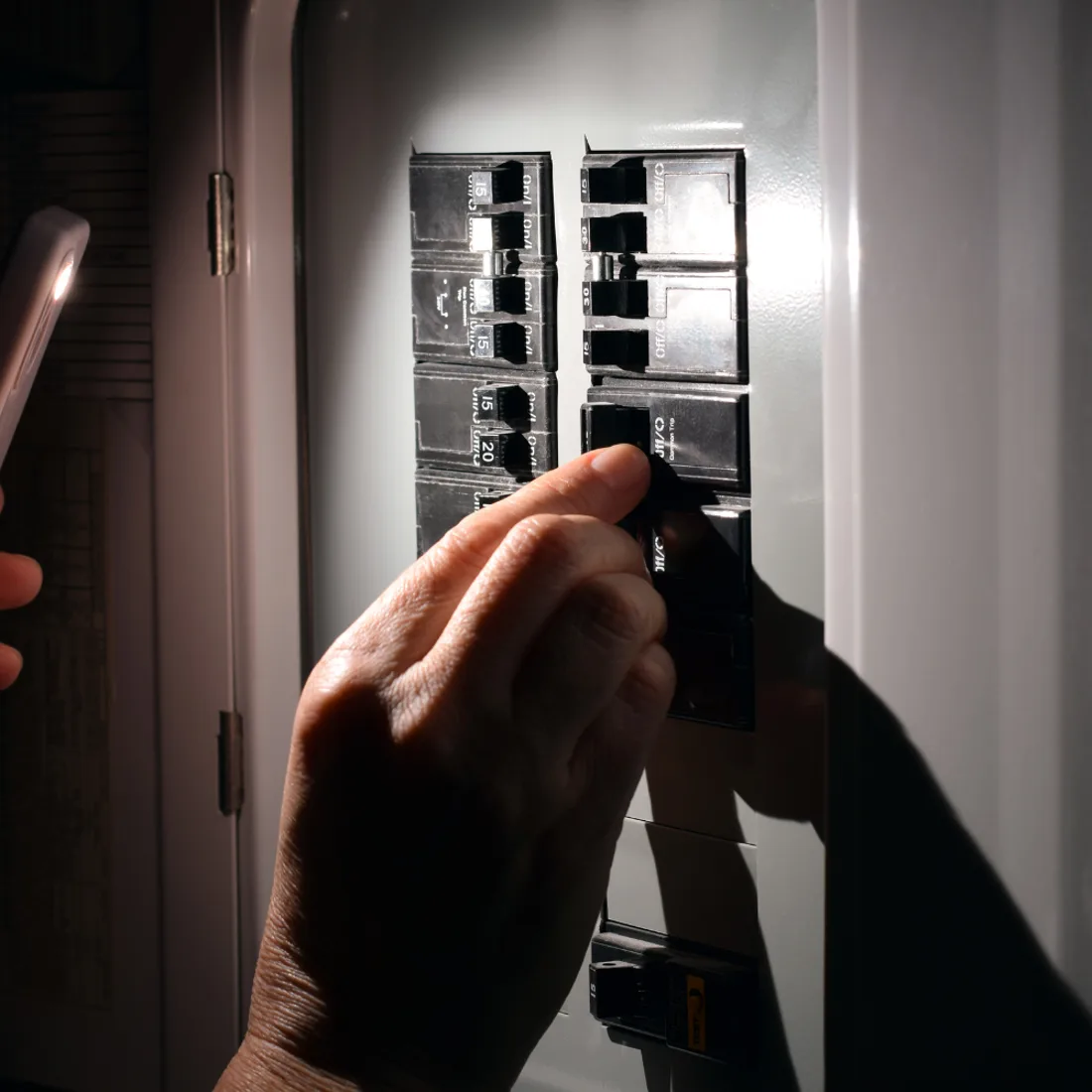
Hand switching a breaker inside an electrical panel lit by a flashlight
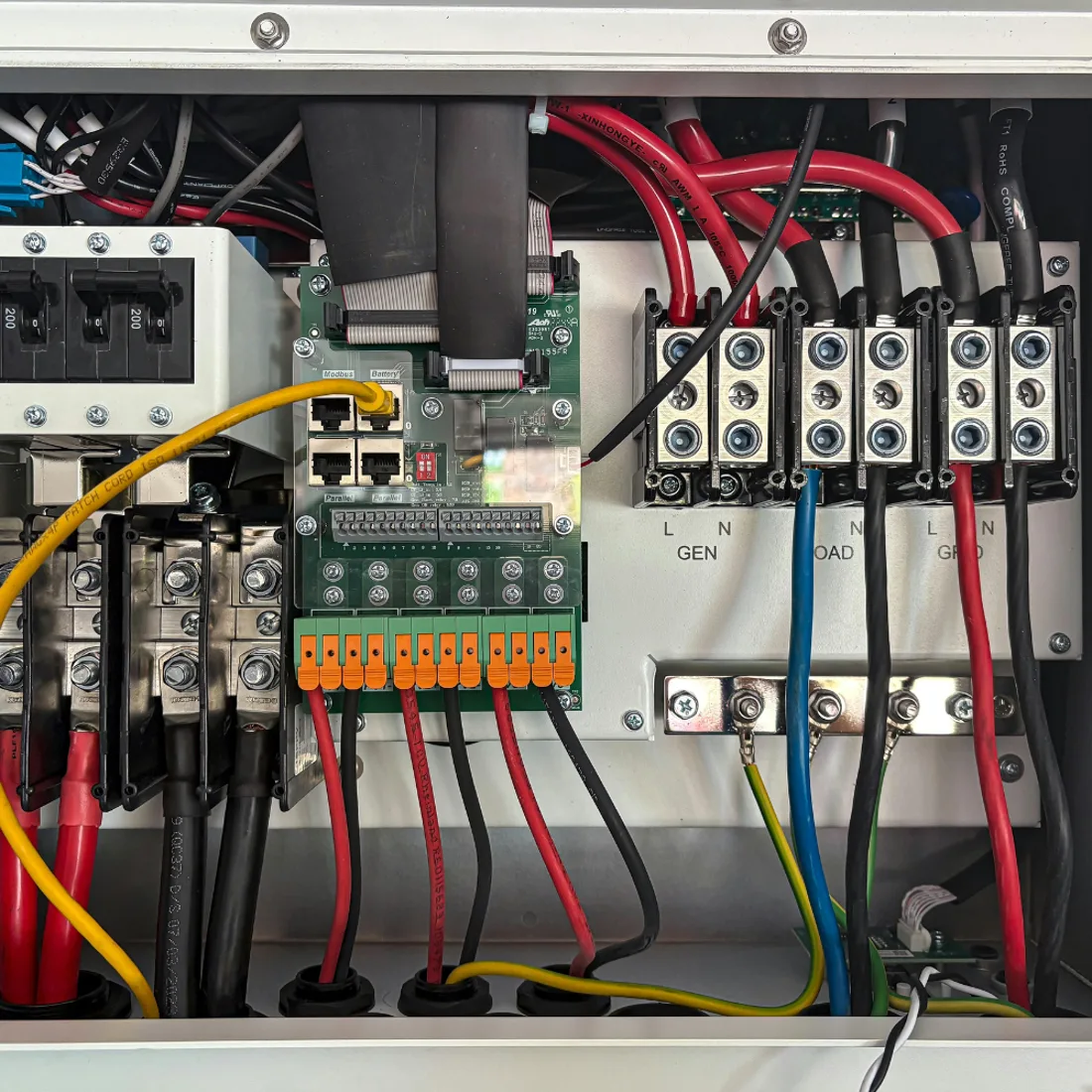
Interior of service equipment showing breakers, terminal blocks, and labeled generator, load, and grid connections

Understanding Panel Capacity

Several factors affect whether an electrical system can support additional equipment.

Service Rating

The electrical service rating identifies the maximum rating of certain service equipment, but it does not confirm how much capacity remains available. Existing and proposed demand must also be evaluated.

Existing Electrical Demand

Heating, cooling, water heating, cooking appliances, dryers, and other large loads can account for a significant portion of the property's calculated demand.

Available Breaker Space

An open breaker position does not necessarily mean that the system has enough electrical capacity for another load. Breaker space and service capacity are separate considerations.

Panel Condition

A panel with visible deterioration, incompatible components, damaged connections, or other concerns may need corrective work even when the calculated demand appears acceptable.

Equipment Requirements

Manufacturer specifications may affect circuit size, voltage, conductor requirements, disconnecting means, and other installation details.

Future Plans

If several electrical projects are planned, evaluating them together can provide a clearer picture than assessing each addition separately.

Load Calculations for Common Projects

EV Chargers

EV-charging equipment can add a substantial continuous electrical load. The charger specifications, charging level, existing demand, panel capacity, and available installation options should be assessed before selecting the final setup.

Remodels and Finished Spaces

A remodeled kitchen, finished basement, home office, addition, or accessory space may introduce new lighting, receptacles, appliances, heating, cooling, or specialty equipment.

Electric Appliances

Electric ranges, dryers, water heaters, and other appliances can have different electrical requirements. Equipment specifications should be confirmed before planning the circuit or determining panel capacity.

Hot Tubs and Specialty Equipment

Hot tubs, workshop tools, saunas, and similar equipment may require dedicated circuits and additional electrical planning. The calculation should use the actual equipment requirements when available.

Heating and Cooling Equipment

Heat pumps, air-conditioning systems, electric heating, and related equipment can affect the property's electrical demand. Existing and proposed equipment should be considered together.

Backup-Power Equipment

Generators, transfer equipment, and battery systems involve additional design considerations beyond a basic load calculation. The planned system and the loads it will support must be evaluated as part of the overall project.

Does Every New Circuit Require a Panel Upgrade?

No. Adding a circuit does not automatically mean the panel must be replaced.

The appropriate recommendation depends on:

  • Existing electrical demand
  • Proposed new loads
  • Electrical service capacity
  • Panel rating and condition
  • Available breaker space
  • Equipment specifications
  • Existing wiring and system configuration
  • Applicable code, utility, permit, and inspection requirements

In some cases, the existing system may support the proposed work. In others, changes to the project design, equipment, panel, or electrical service may be recommended. A proper assessment helps identify the options before installation begins.

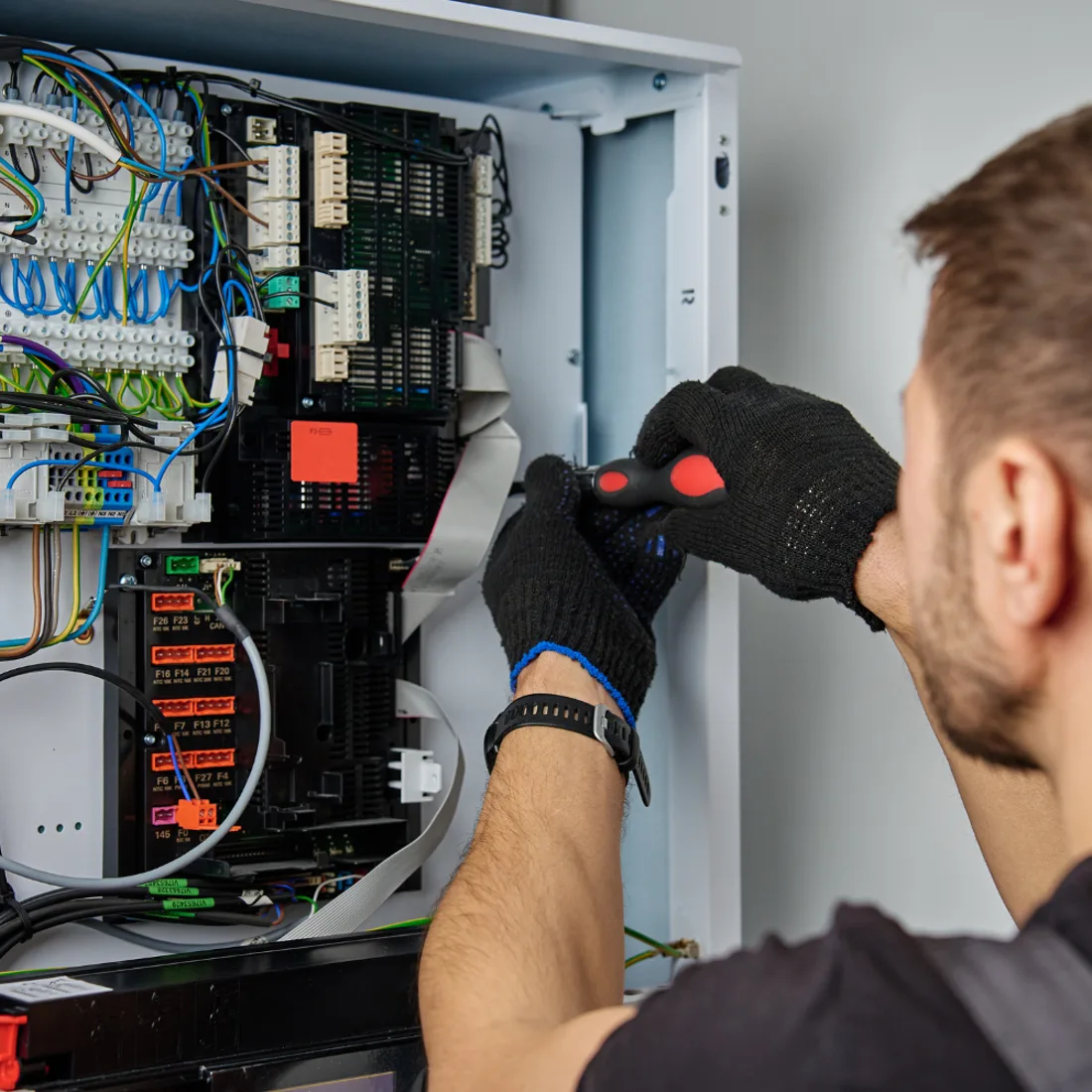
Technician in gloves using a screwdriver inside an open electrical enclosure filled with wiring and terminals

Panel Warning Signs to Take Seriously

Some panel conditions warrant prompt professional attention.

Contact an electrician if you notice:

  • Frequent or unexplained breaker trips
  • A breaker that will not remain reset
  • Heat around the panel or breakers
  • Burning or unusual electrical odors
  • Buzzing, crackling, or popping sounds
  • Rust, water marks, or corrosion
  • Scorching or discoloration
  • Damaged panel covers or missing openings
  • Lights dimming when equipment starts
  • Breakers or components that appear loose
  • A need to add several new electrical loads

Do not remove the panel cover or touch internal components. Energized equipment can remain hazardous even when individual breakers are switched off. If a repair is needed, we also provide electrical repairs.

Our Assessment and Load Calculation Process

  1. 1

    Discuss Your Plans

    Tell us about the property, current concerns, planned project, and equipment you expect to add.

  2. 2

    Review the Electrical Panel

    We evaluate accessible panel and service information, breaker configuration, visible condition, available space, and other relevant system details.

  3. 3

    Gather Load Information

    We identify significant existing and proposed electrical loads. Equipment specifications may be needed for an accurate project assessment.

  4. 4

    Complete the Calculation

    We calculate electrical demand using the information available and the method appropriate for the property and proposed work.

  5. 5

    Explain the Findings

    We explain whether the existing system appears suitable for the planned project and identify any additional investigation, modifications, or upgrades that may be recommended.

  6. 6

    Plan the Next Step

    If electrical work is needed, we can help define the project scope and coordinate applicable permit, utility, or inspection requirements.

Why Choose O'Bray Electric?

O'Bray Electric is a family-run Utah electrical contractor led by a licensed Master Electrician. We provide clear information about the existing electrical system without assuming that every project requires the largest or most expensive solution.

Customers choose O'Bray Electric for:

  • Master Electrician-led expertise
  • Residential and commercial assessments
  • Clear, plain-English explanations
  • Careful review of existing and proposed loads
  • Practical recommendations based on the property
  • Attention to safety and code compliance
  • Help coordinating applicable permits and inspections

Frequently Asked Questions

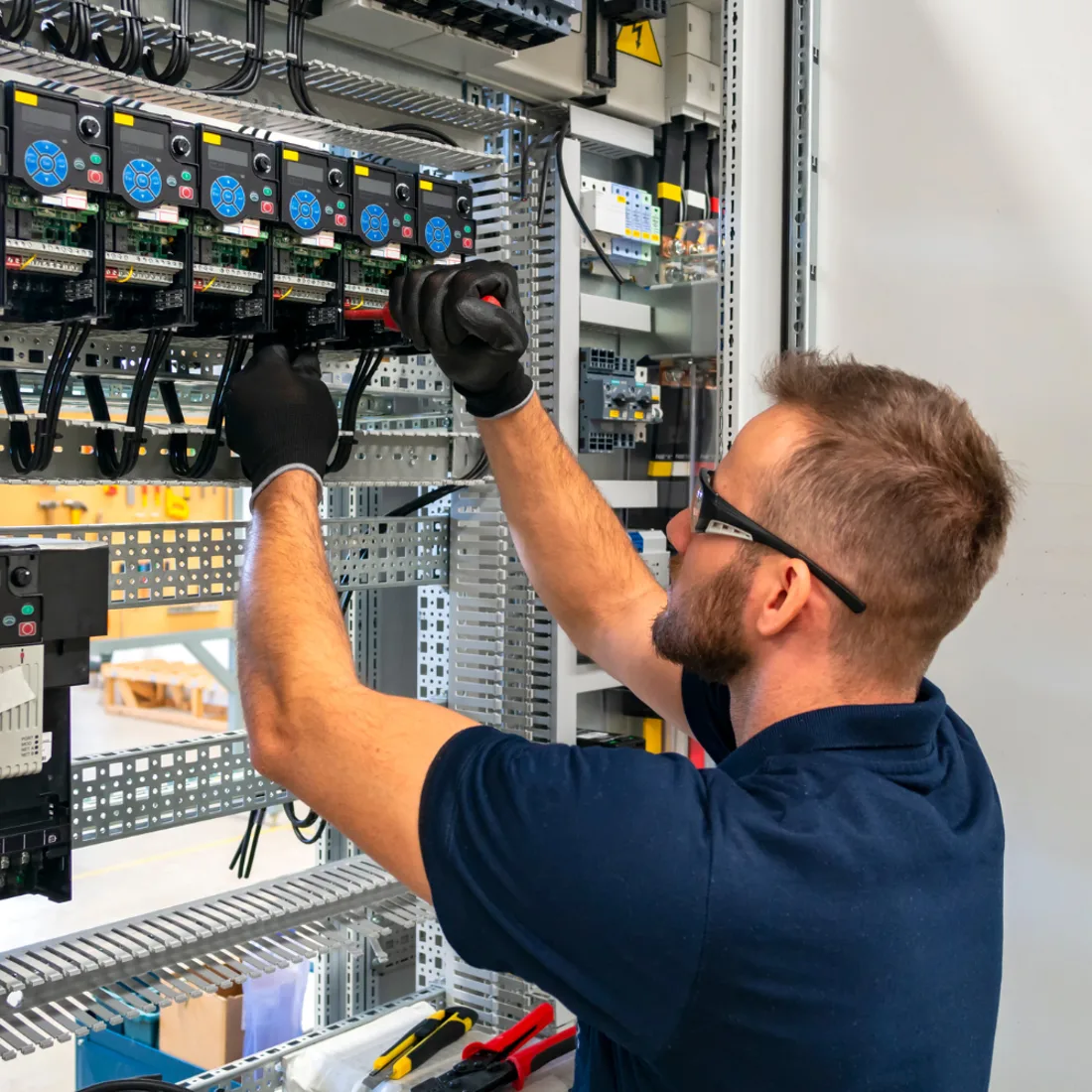
Electrician working at a control panel with indicator lights and rows of breakers

What is an electrical load calculation?

An electrical load calculation estimates the demand placed on an electrical service by the property's existing and proposed equipment. It helps determine whether the current system may have sufficient capacity for a remodel, new appliance, EV charger, or other electrical addition.

When should an electrical panel be assessed?

An assessment may be useful before adding a major electrical load, remodeling, purchasing new equipment, or planning a panel upgrade. It is also appropriate when there are frequent breaker trips, limited breaker space, visible deterioration, or uncertainty about the panel's condition.

Does adding an EV charger require a panel upgrade?

Not always. The answer depends on the charger specifications, existing electrical demand, service capacity, panel condition, and installation design. An assessment and load calculation can help determine the available options.

Can my existing panel support new appliances or a remodel?

It may, but the answer cannot be determined from the panel's labeled rating or available breaker spaces alone. Existing loads, proposed equipment, service capacity, panel condition, and applicable requirements must be evaluated.

What is included in an electrical panel assessment?

The assessment may review accessible panel information, breaker configuration, visible condition, available space, service details, and the proposed project. The exact scope depends on the property and reason for the assessment. Concealed conditions may require additional investigation.

What happens if the panel does not have enough capacity?

Possible next steps depend on the property and planned load. Options may include changing the project design, selecting different equipment, using an approved load-management approach where appropriate, upgrading the panel, or increasing the electrical service. The suitable option must be determined for the specific installation.

Get started

Schedule Your Electrical Panel Assessment

Get clear information about your electrical panel before committing to a remodel, new appliance, EV charger, or other major electrical project. O'Bray Electric can evaluate the existing system, calculate the planned demand, and explain the available options.

  • Master Electrician-led assessment
  • Residential and commercial service
  • Panel condition and capacity review
  • Load calculations for planned electrical additions
  • Clear recommendations based on your project
  • Permit and inspection coordination when applicable

Get A Quote

Loading the quote form...

Service Area

Serving The Wasatch Front And Beyond

We're a service-area business, no storefront required. Our experienced electricians travel to homes and businesses across Salt Lake, Utah, Tooele, and Davis counties so you get expert work without leaving your driveway.

Wasatch Front Service Area

Salt Lake, Tooele, Utah, and Davis counties, with service brought directly to your home or business.

Cities We Serve

Tap A County To Expand

  • Salt Lake City
  • Sandy
  • Holladay
  • Cottonwood Heights
  • Sugar House
  • Midvale
  • Murray
  • Millcreek
  • Taylorsville
  • West Jordan
  • South Jordan
  • West Valley City
  • Kearns
  • Magna
  • Riverton
  • Herriman
  • Bluffdale
  • Draper
  • South Salt Lake