
Residential Subpanel Installation
A residential subpanel can organize circuits for additions, finished basements, garages, workshops, home offices, entertainment spaces, and other areas with expanding electrical needs.
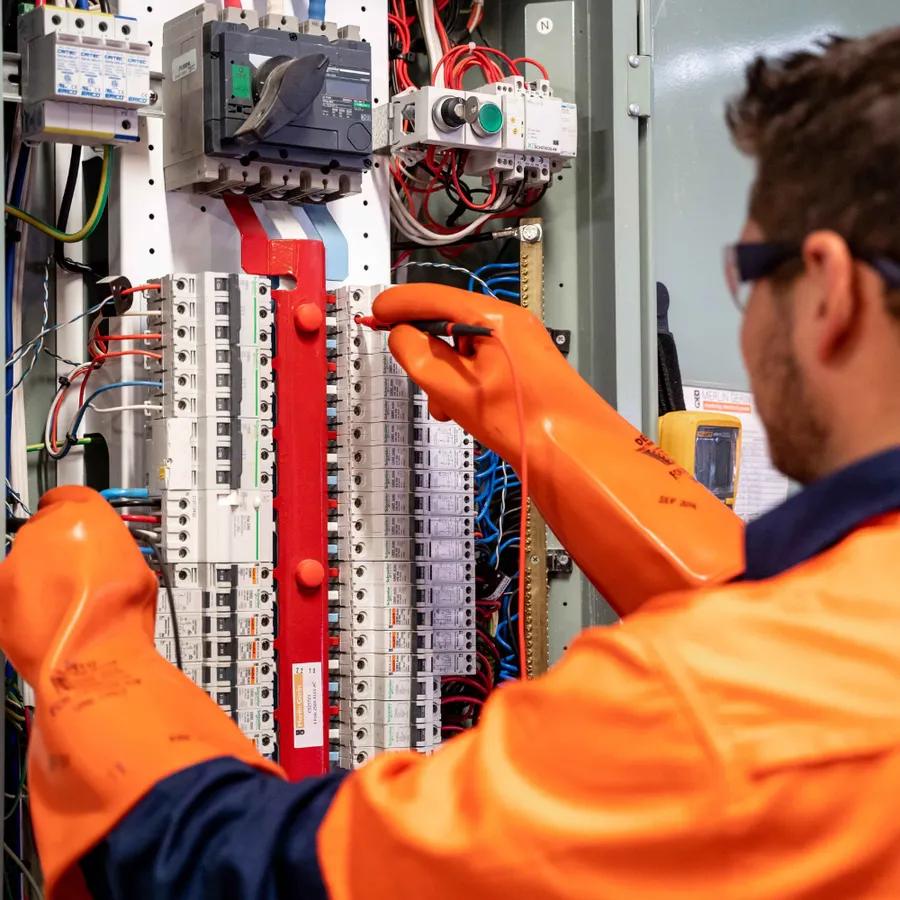
Add organized circuit space for a garage, workshop, addition, finished basement, or other expanding electrical needs. O'Bray Electric provides professional subpanel installation for Utah homes and businesses, with work led by a licensed Master Electrician.
Master Electrician
Highest tier of electrical licensing in Utah.
Licensed & Insured
Fully licensed and insured for your protection.
100% Satisfaction
We stand behind every install with a full guarantee.
Affordable & Fair Pricing
Honest written quotes, no surprises, fair pricing every time.
Get A Quote
Loading the quote form...
A subpanel distributes power to additional circuits from the main electrical system. It can provide convenient circuit organization closer to the area being served, but it does not increase the property's electrical service capacity by itself.
Before recommending a subpanel, O'Bray Electric evaluates the main panel, existing electrical demand, planned loads, feeder requirements, proposed location, and available service capacity through a panel assessment and load calculation. We explain whether a subpanel is appropriate or whether the project requires a different solution.
Have a licensed Master Electrician evaluate your main panel, electrical capacity, planned loads, and installation location before adding a subpanel.
Every subpanel project begins with understanding what the new panel will serve and whether the existing electrical system can support it.
A residential subpanel can organize circuits for additions, finished basements, garages, workshops, home offices, entertainment spaces, and other areas with expanding electrical needs.
Businesses may use subpanels to distribute circuits for tenant improvements, work areas, equipment, lighting, and changing floor plans. The installation must account for the property's electrical service and expected demand.
A garage subpanel can provide local circuit distribution for lighting, receptacles, tools, freezers, doors, heating equipment, EV charging, or other planned loads. The correct design depends on the equipment and available capacity.
Workshops may require multiple circuits for tools, dust collection, lighting, heating, ventilation, or specialty equipment. Equipment specifications and usage patterns should be reviewed before determining the panel and feeder requirements.
A finished basement or home addition may introduce new lighting, outlets, appliances, heating, cooling, or specialty equipment. A subpanel can help organize these circuits when it is appropriate for the project.
An existing subpanel may need attention because of damage, corrosion, incompatible components, limited circuit space, or changing electrical needs. We evaluate the existing equipment before recommending replacement or modification.
The feeder supplies power from the main electrical system to the subpanel. Its design depends on the calculated load, panel rating, installation conditions, distance, equipment specifications, and applicable requirements.
A properly planned subpanel can organize new circuits and distribute power closer to the area where it is needed.
A subpanel may be considered when:
A subpanel is not automatically the right answer in every situation. The existing service capacity, main panel condition, planned electrical demand, location, and project scope must be evaluated first. In some cases an electrical panel upgrade is the better solution.
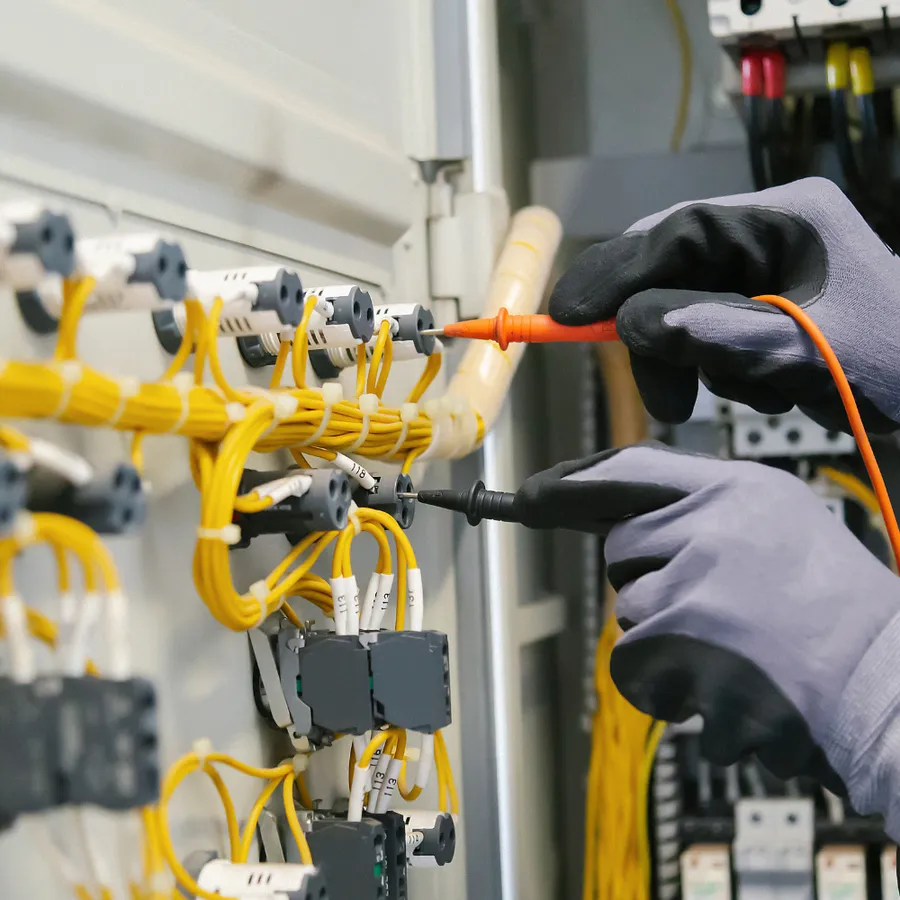
Understanding the purpose of a subpanel helps prevent incorrect expectations.
If the existing service cannot support the proposed loads, a panel or main panel replacement or service upgrade may need to be considered.
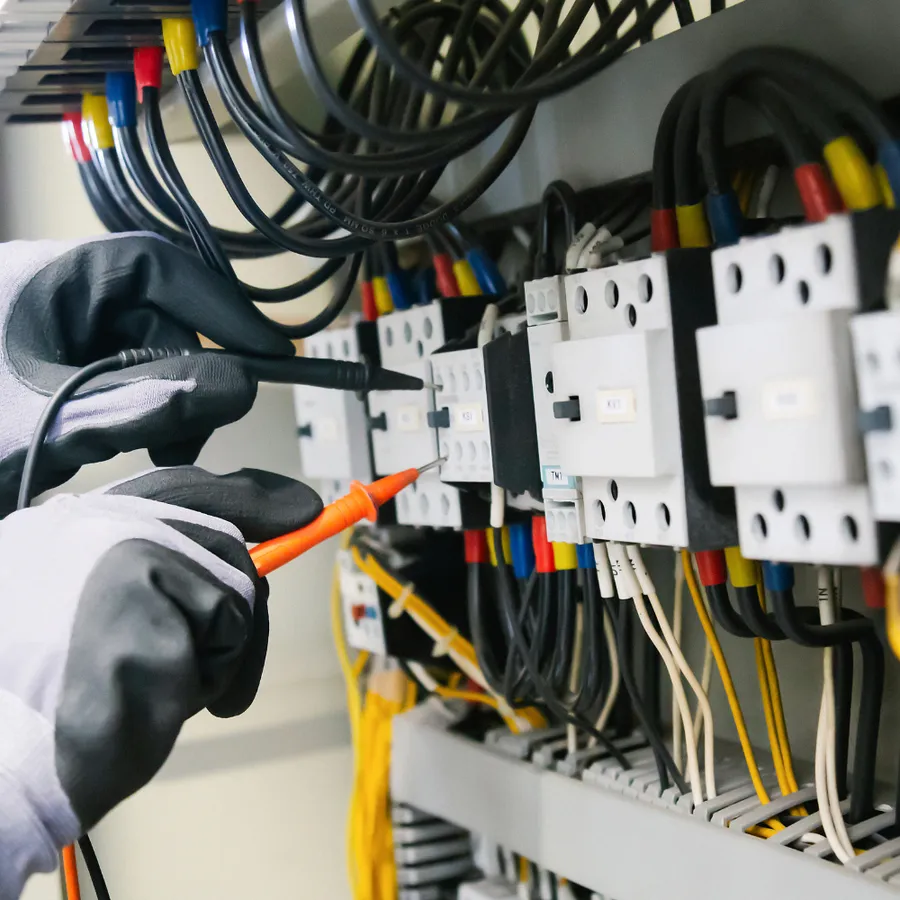
An available breaker position does not prove that an electrical system can support a new subpanel.
Before installation, an electrician should evaluate:
The assessment may show that the existing system can support the project. It may also identify the need for load changes, different equipment, a panel replacement, or a service upgrade.
The proposed location must allow the panel to remain accessible and suitable for the environment.
Important considerations include:
The final location should be confirmed before walls, cabinets, equipment, or finishes limit access.
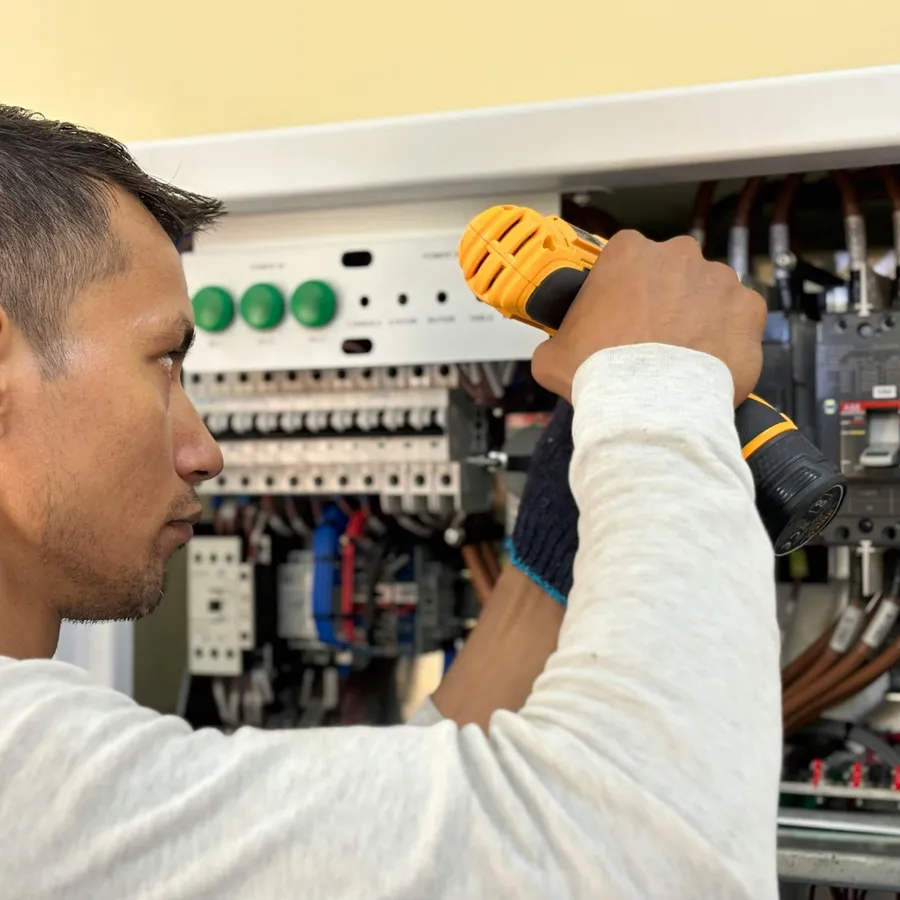
Subpanels may be installed in attached or detached structures, but the design requirements can differ.
A detached garage, workshop, or accessory building may require additional planning for:
The installation method depends on the property, structure, electrical system, and applicable local requirements.
Grounding and bonding are essential parts of a subpanel installation. Their configuration is not identical to every main service panel installation.
The correct arrangement depends on:
These connections should be evaluated and completed by a qualified electrician. Incorrect grounding or bonding can create hazardous conditions.
A subpanel should be planned around actual electrical needs, not only the number of open breaker spaces.
Potential loads may include:
Equipment specifications should be confirmed whenever possible. Future needs may also influence the panel size, feeder design, and installation route. Planned EV charging and dedicated circuits should be included in the plan from the start.
Tell us which area the subpanel will serve, what equipment or rooms are planned, and whether future circuits are expected.
We evaluate the main panel, service information, existing demand, available space, visible equipment condition, and proposed loads.
We determine the appropriate panel, feeder, location, circuit arrangement, and installation route based on the project requirements.
We help manage applicable permits and inspections and account for utility coordination when the project requires it.
We install the feeder, subpanel, compatible breakers, grounding and bonding components, and agreed branch circuits.
We test the completed installation, label the new circuits, and prepare the work for applicable inspection requirements.
O'Bray Electric is a family-run Utah electrical contractor led by a licensed Master Electrician. We assess the complete electrical system before recommending a subpanel, helping customers avoid solutions that do not address the property's actual needs.
Customers choose O'Bray Electric for:
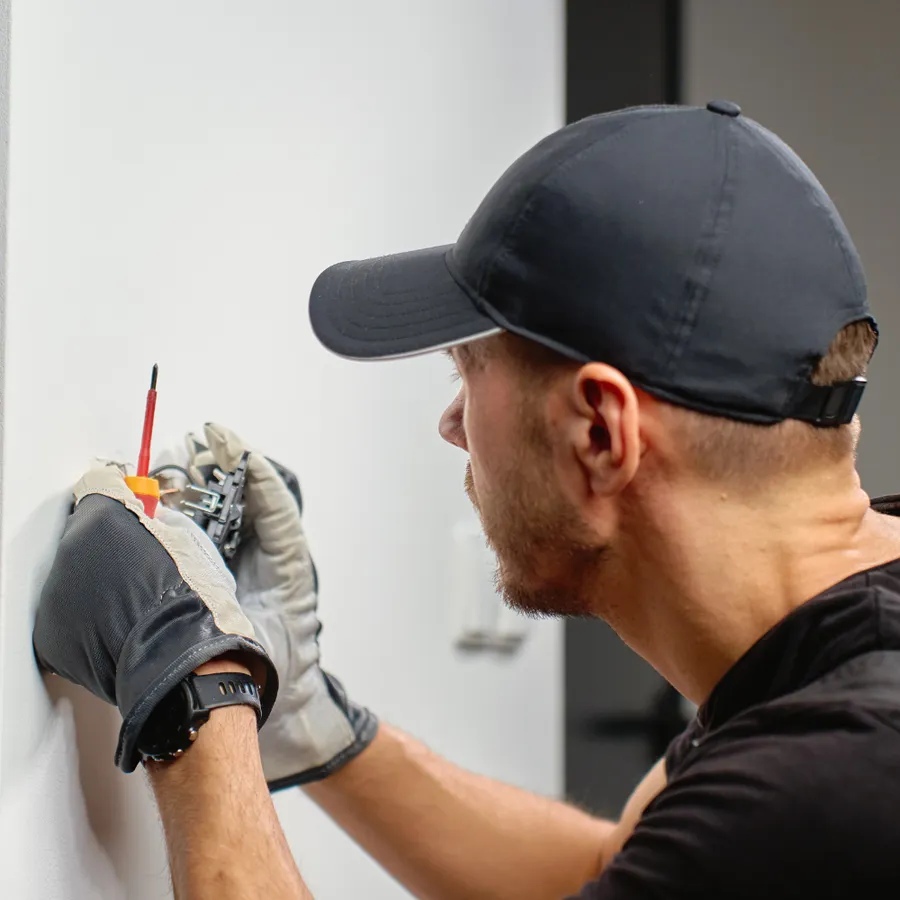
A subpanel is a downstream distribution panel supplied by the property's main electrical system. It contains breakers for branch circuits serving a particular area, structure, or group of electrical loads.
A subpanel may be appropriate when several new circuits are needed, the main panel has limited circuit space, or power must be distributed to an addition, basement, garage, workshop, or other area. An assessment is needed to determine whether it is the correct solution.
No. A subpanel provides additional circuit spaces and local distribution, but it does not increase the amount of power available from the utility service. Existing and proposed demand must be evaluated before installation.
Often, provided the location, accessibility, environment, feeder route, electrical capacity, and applicable requirements support the installation. Detached structures may have additional grounding, bonding, feeder, and disconnect considerations.
Subpanel size depends on the loads it will serve, feeder design, available service capacity, equipment specifications, installation conditions, and possible future needs. The number of desired circuits alone does not determine the correct size.
Permit and inspection requirements vary by location and project scope. O'Bray Electric can determine the applicable requirements and coordinate the appropriate process for the installation.
Get started
Plan your additional circuits around the actual capacity and condition of the electrical system. O'Bray Electric can assess your main panel, calculate the planned demand, and install a subpanel suited to the project.
Get A Quote
Loading the quote form...
Service Area
We're a service-area business, no storefront required. Our experienced electricians travel to homes and businesses across Salt Lake, Utah, Tooele, and Davis counties so you get expert work without leaving your driveway.
Salt Lake, Tooele, Utah, and Davis counties, with service brought directly to your home or business.
Cities We Serve
Tap A County To Expand