O'Bray ElectricO'Bray Electric
CallGet a Quote
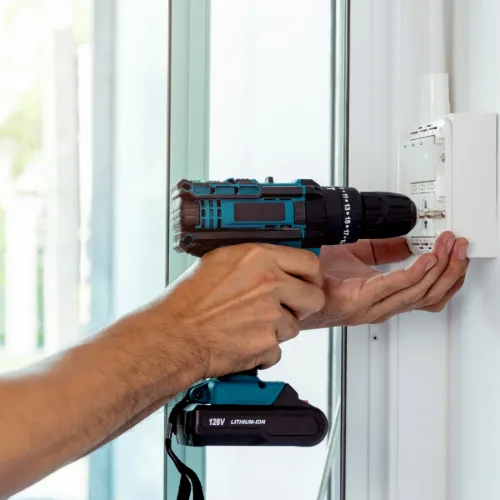
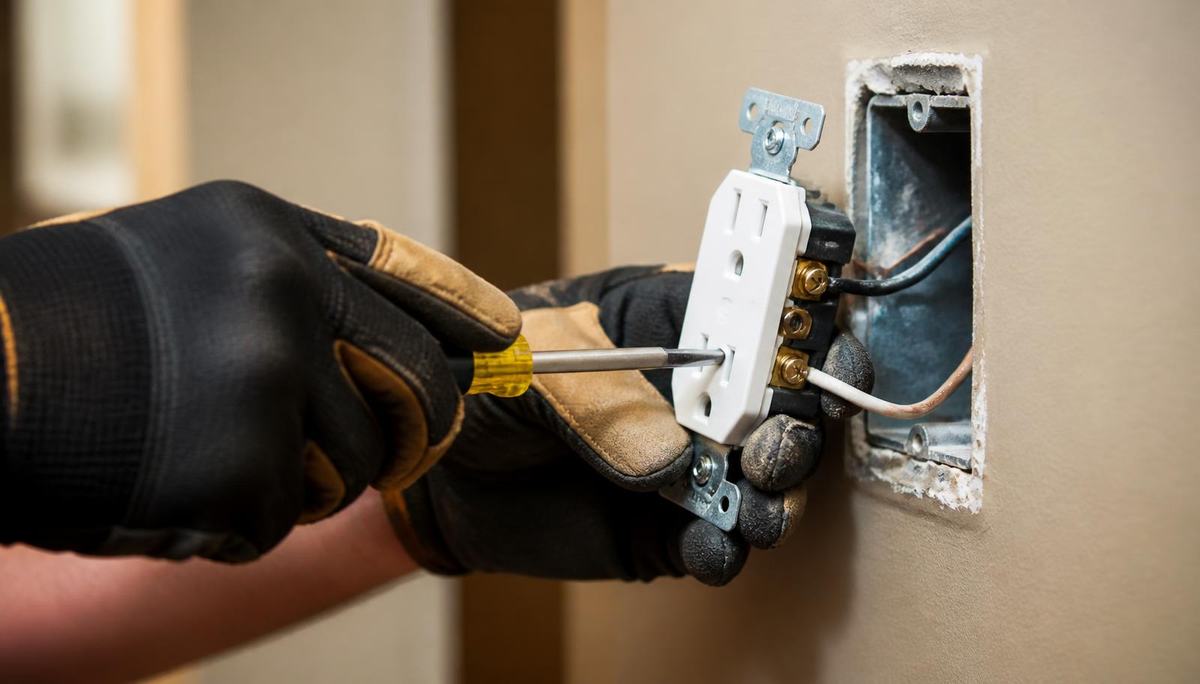
Electrical outlet receptacle installed on an interior wall

Garage Dedicated Circuit Outlet Installation in Utah

Need safer, more reliable power in your garage? O'Bray Electric installs dedicated circuits and outlets for tools, appliances, workshop equipment, EV charging needs, and other high-demand electrical devices.

Master Electrician

Highest tier of electrical licensing in Utah.

Licensed & Insured

Fully licensed and insured for your protection.

100% Satisfaction

We stand behind every install with a full guarantee.

Affordable & Fair Pricing

Honest written quotes, no surprises, fair pricing every time.

Reliable Power for Your Garage

Garages often need more power than their original electrical systems were designed to provide. Freezers, refrigerators, air compressors, power tools, heaters, and charging equipment can overload shared circuits, especially when several devices operate at the same time.

O'Bray Electric installs properly sized dedicated circuits and garage outlets based on the equipment you plan to use. Our licensed electricians evaluate your panel, wiring, and electrical load before recommending the right solution.

Need a dedicated circuit in your garage?

Talk to an experienced electrician about circuit sizing, outlet placement, and a firm install quote. No pressure, no sales pitch

Electrician wiring a new circuit connection

Garage Circuit and Outlet Services We Provide

Dedicated 120-Volt Circuits

A dedicated 120-volt circuit supplies power to a specific appliance or piece of equipment instead of sharing the electrical load with multiple outlets. The correct circuit depends on the equipment's electrical specifications and expected use.

240-Volt Garage Circuits

Some larger tools, appliances, and charging equipment require a 240-volt circuit. These installations require the correct breaker, wire size, receptacle, grounding, and circuit protection. Before installation, we review the equipment specifications and confirm that the electrical panel can support the additional demand.

Additional Garage Outlets

Extension cords and power strips are not permanent substitutes for properly installed outlets. We can add garage receptacles in practical locations based on how you use the space. Outlet placement and protection will be planned according to the garage layout and applicable electrical requirements.

Workbench and Workshop Wiring

A garage workshop may need several circuits to support tools, lighting, charging stations, and larger equipment. Connecting everything to one general-purpose circuit can cause repeated breaker trips and limit how the space can be used. We can develop a wiring plan around your equipment and workflow.

Freezer and Refrigerator Circuits

A garage refrigerator or freezer can place additional demand on an existing circuit. If it shares power with tools, lighting, or other appliances, a breaker trip could shut off the appliance without immediate notice. A dedicated circuit may provide more reliable power and reduce conflicts with other garage equipment.

EV Charging Circuit Preparation

EV charging equipment can create a substantial, sustained electrical load. Its circuit must be planned around the charger specifications, panel capacity, service capacity, installation location, and manufacturer requirements. Additional electrical work may be required if the existing system cannot safely support the charger.

Dedicated 120-volt circuits may suit

  • Garage refrigerators
  • Chest and upright freezers
  • Workbenches
  • Power tools
  • Air compressors
  • Garage door openers
  • Exercise equipment
  • Home office equipment
  • Other devices with specific circuit requirements

240-volt circuits for equipment such as

  • Welders
  • Larger air compressors
  • Shop equipment
  • Electric dryers
  • Electric heaters
  • Certain power tools
  • EV charging equipment

Additional outlets may be installed near

  • Workbenches
  • Storage areas
  • Tool stations
  • Garage doors
  • Appliance locations
  • Parking spaces
  • Exercise areas
  • Exterior access points

What Is a Dedicated Garage Circuit?

A dedicated circuit serves one appliance, device, or intended use. It has its own breaker in the main electrical panel and does not share power with unrelated outlets or equipment.

A complete dedicated circuit installation may include:

  • A correctly sized circuit breaker
  • Wiring selected for the circuit load
  • A compatible outlet or direct connection
  • Required grounding
  • Appropriate circuit protection
  • Clear panel labeling
  • Testing after installation

A dedicated circuit does not automatically provide unlimited power. Its capacity is determined by the breaker, wiring, outlet, connected equipment, and available capacity of the electrical system.

Standard Outlets vs. Dedicated Circuits

A standard garage outlet may share a circuit with several other outlets, lights, or devices. This can be suitable for low-demand or occasional use when the total load remains within the circuit's capacity.

A dedicated circuit is separated from those shared electrical loads. It may be appropriate when equipment:

  • Requires a dedicated circuit from the manufacturer
  • Draws a significant amount of electricity
  • Operates for extended periods
  • Causes an existing breaker to trip
  • Must remain powered reliably
  • Requires a specific voltage or receptacle
  • Should not share a circuit with lighting or other devices

Not every garage outlet needs a dedicated circuit. O'Bray Electric will assess your equipment and explain which type of installation is appropriate.

Equipment That May Need a Dedicated Circuit

Garage equipment varies widely in voltage and power requirements. Depending on the manufacturer's specifications and expected electrical load, dedicated circuits may be recommended or required for:

  • Refrigerators and freezers
  • Air compressors
  • Welders
  • Table saws and larger power tools
  • Electric vehicle chargers
  • Electric heaters
  • Laundry appliances
  • Sump pumps
  • Workshop machinery
  • Specialized exercise equipment

Do not connect new high-demand equipment to an existing outlet based only on whether the plug fits. The circuit must be evaluated to confirm that the wiring, breaker, outlet, and available capacity are appropriate.

Signs Your Garage Circuit May Be Overloaded

Repeated electrical problems may indicate that the existing circuit is overloaded, damaged, or unsuitable for the connected equipment.

Contact a licensed electrician if you notice:

  • Breakers tripping when tools or appliances operate
  • Lights dimming when equipment starts
  • Warm or discolored outlets
  • Buzzing or crackling sounds
  • Burning odors
  • Sparks from outlets
  • Loose plugs or damaged receptacles
  • Extension cords being used as permanent wiring
  • Several high-demand devices sharing one outlet
  • Garage outlets that frequently lose power
  • Equipment that does not operate consistently

Avoid repeatedly resetting a breaker without identifying why it is tripping. A breaker may be interrupting power because it has detected an unsafe electrical condition.

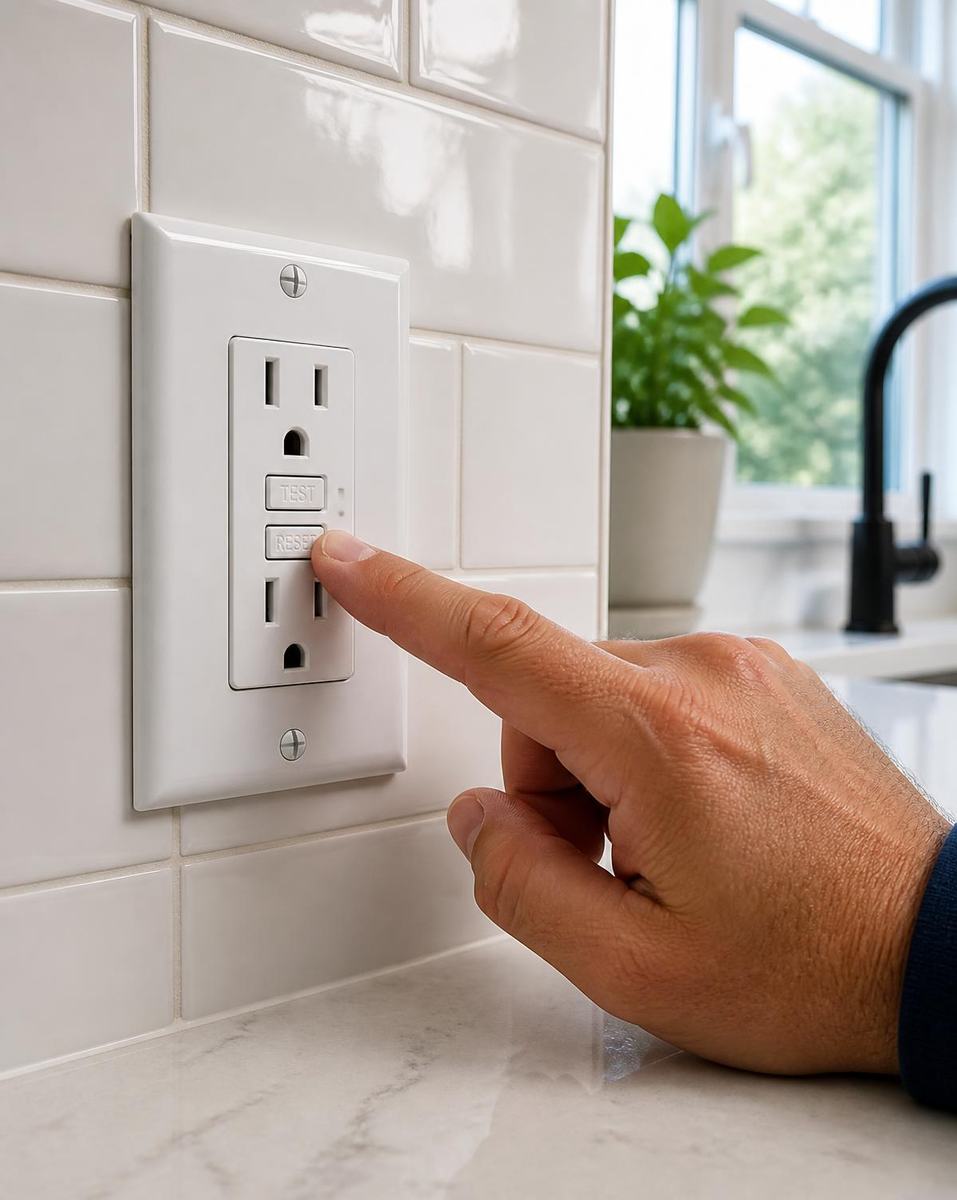
GFCI outlet with test and reset buttons

Garage GFCI Protection and Electrical Safety

Garages can expose electrical equipment to moisture, concrete surfaces, outdoor conditions, and grounded tools or appliances. Ground-fault circuit interrupter protection helps reduce the risk of electric shock by quickly interrupting power when a ground fault is detected.

Garage outlet installations must meet the electrical requirements that apply to the property and project. Depending on the circuit and equipment, the installation may require GFCI protection, other circuit protection, or a specific type of receptacle.

O'Bray Electric will determine the appropriate protection during the assessment and installation.

Can Your Electrical Panel Support a New Garage Circuit?

Before adding a circuit, an electrician must evaluate the existing panel and the home's electrical demand.

We consider:

  • Available breaker spaces
  • The panel's amperage rating
  • Existing household electrical demand
  • The new equipment's power requirements
  • Breaker and panel compatibility
  • The age and condition of the panel
  • The capacity of the electrical service
  • Applicable electrical requirements

Having an open breaker space does not necessarily mean the system has enough capacity for a new electrical load. If the panel cannot safely support the proposed circuit, we will explain the available options.

Learn more about our electrical panel upgrade services.

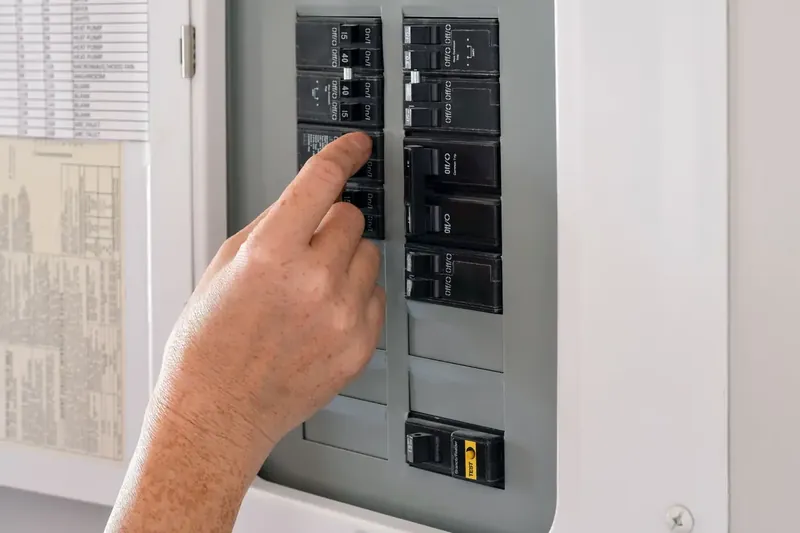
Residential electrical panel with circuit breakers

Benefits of Professional Garage Circuit Installation

Professional installation helps ensure every part of the new circuit is compatible with the equipment and the home's electrical system.

Benefits may include:

  • Reliable power for garage equipment
  • Fewer overloaded circuits
  • Correct breaker and wire sizing
  • Proper voltage and outlet configuration
  • Convenient outlet placement
  • Appropriate circuit protection
  • Clear breaker-panel labeling
  • Code-compliant installation
  • Safer operation of tools and appliances
  • Less dependence on extension cords and power strips

Our Garage Circuit Installation Process

  1. 1

    Review Your Garage Power Needs

    We discuss how you use the garage, what equipment you need to power, and where outlets would be most useful. For dedicated equipment, we may review its electrical specifications.

  2. 2

    Inspect the Existing Electrical System

    Our electrician evaluates the main panel, available capacity, existing garage circuits, wiring routes, and installation conditions.

  3. 3

    Recommend the Right Circuit

    We explain whether you need an additional standard outlet, a dedicated 120-volt circuit, a 240-volt circuit, or another configuration. We also identify any panel limitations or related requirements.

  4. 4

    Plan the Wiring and Outlet Placement

    We select a practical wiring route and outlet location based on the garage layout, equipment placement, accessibility, and applicable electrical requirements.

  5. 5

    Install the Circuit and Outlet

    Our team installs the breaker, wiring, outlet, grounding, and required circuit protection. We work carefully to keep the installation clean and minimize disruption to finished surfaces whenever possible.

  6. 6

    Test and Label the Circuit

    After installation, we test the circuit and confirm that the outlet and protective devices operate correctly. The circuit is clearly labeled in the electrical panel.

Tyson O'Bray, Master Electrician and owner of O'Bray Electric

Why Choose O'Bray Electric?

Garage wiring should be planned around your actual equipment, not a one-size-fits-all solution. Incorrect wire sizing, breaker selection, outlet types, or circuit protection can create safety concerns and unreliable performance.

Homeowners choose O'Bray Electric because we provide:

  • Work led by a licensed Utah Master Electrician
  • Clear, straightforward recommendations
  • Careful evaluation of panel capacity
  • Correct circuit and wire sizing
  • Code-compliant outlet installation
  • Thoughtful outlet placement
  • Management of applicable permits and inspections
  • Personal service from a family-run electrical company
  • Solutions based on current and future garage needs
  • Careful testing after installation

We focus on installing a circuit that safely supports the equipment you need to use.

Frequently Asked Questions

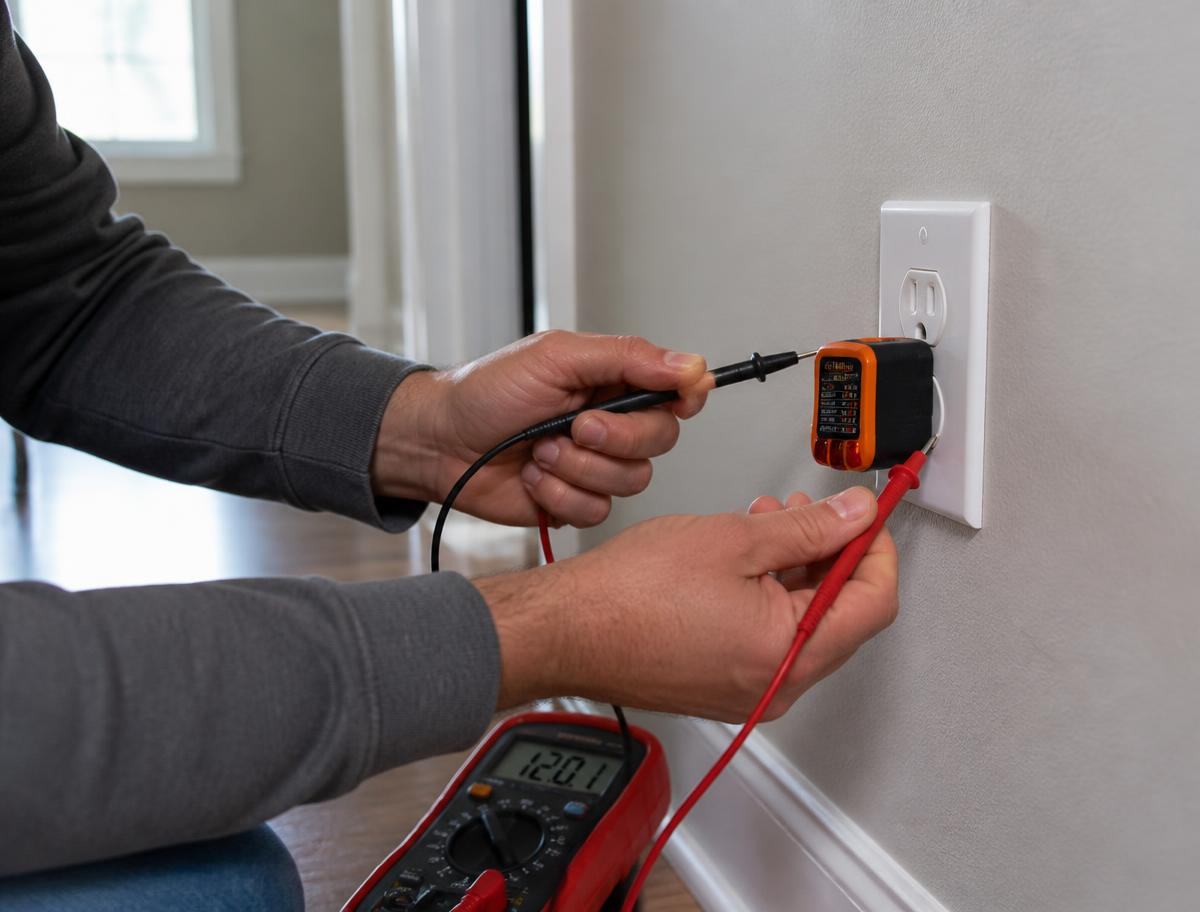
Electrician testing an outlet with a circuit tester

Does my garage appliance need a dedicated circuit?

It depends on the appliance's electrical requirements and the load already placed on the existing circuit. Larger or continuously operating appliances may require or benefit from a dedicated circuit. An electrician can review the equipment specifications and current wiring.

Can you install both 120-volt and 240-volt garage outlets?

Yes. O'Bray Electric installs 120-volt and 240-volt circuits when they are appropriate for the connected equipment and supported by the property's electrical system.

Can I use an existing garage outlet for a freezer?

Possibly, but the circuit should first be evaluated. A freezer sharing power with tools or other high-demand equipment may lose power if the breaker trips. A dedicated circuit may provide more reliable operation.

Why does my garage breaker trip when I use power tools?

The circuit may be overloaded, or the tool, breaker, outlet, or wiring may have a fault. Repeatedly resetting the breaker does not solve the underlying problem. A licensed electrician should diagnose the cause.

Does installing a garage circuit require a panel upgrade?

Not always. The existing panel may be able to support the new circuit if it has sufficient capacity and compatible breaker space. We evaluate the panel and electrical load before recommending any additional work.

Do garage outlets need GFCI protection?

Garage receptacles commonly require GFCI protection, although the exact requirements depend on the installation and applicable codes. Our electricians will determine and install the correct protection for the project.

Can you install a circuit for an EV charger in my garage?

Yes, if the electrical system can safely support the charger's requirements. We review the charging equipment, panel capacity, service capacity, wiring route, and installation location before completing the work.

Schedule Your Garage Electrical Assessment

Get safe, convenient power for your tools, appliances, workshop, or charging equipment. O'Bray Electric will evaluate your garage and electrical panel, explain the appropriate circuit options, and complete the installation with careful attention to safety and code compliance.

Get A Quote

Loading the quote form...