
Basement Wiring Services in Utah
Turning an unfinished basement into usable living space takes expert basement wiring. Our Master Electrician makes sure every circuit and outlet meets local codes and the highest safety standards.
Master Electrician
Highest tier of electrical licensing in Utah.
Licensed & Insured
Fully licensed and insured for your protection.
100% Satisfaction
We stand behind every install with a full guarantee.
Affordable & Fair Pricing
Honest written quotes, no surprises, fair pricing every time.
Professional Wiring for Finished and Unfinished Basements
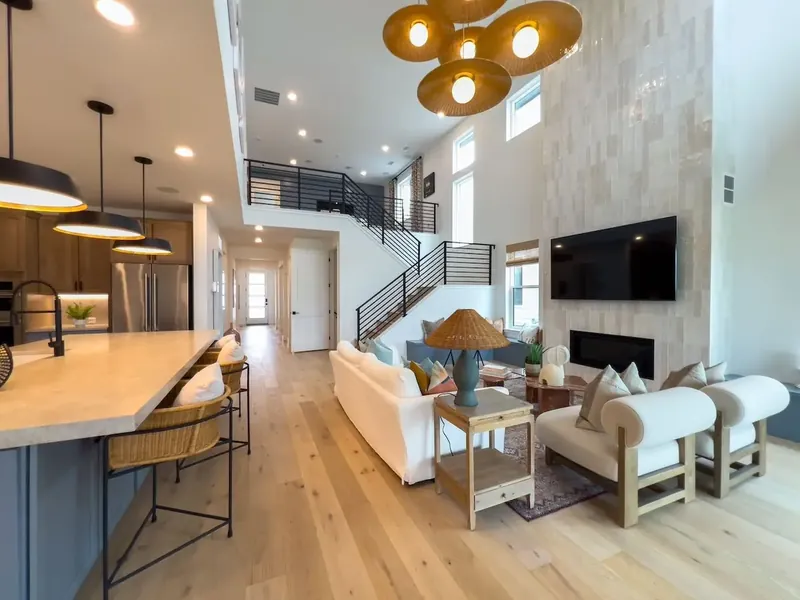
Expanding your living space into the basement adds significant value and functionality to your home. Whether you're finishing a previously untouched area or renovating an existing one, professional basement wiring is critical. It ensures every light, outlet, and appliance functions safely and reliably.
Working with an experienced electrician like O'Bray Electric means your new basement space will be wired correctly from the start. We plan for your current and future electrical needs, avoiding overloaded circuits and potential hazards. We handle the entire process, from the initial load calculation to the final inspection, so you can feel confident in the result.
Planning a Finished or Remodeled Basement?
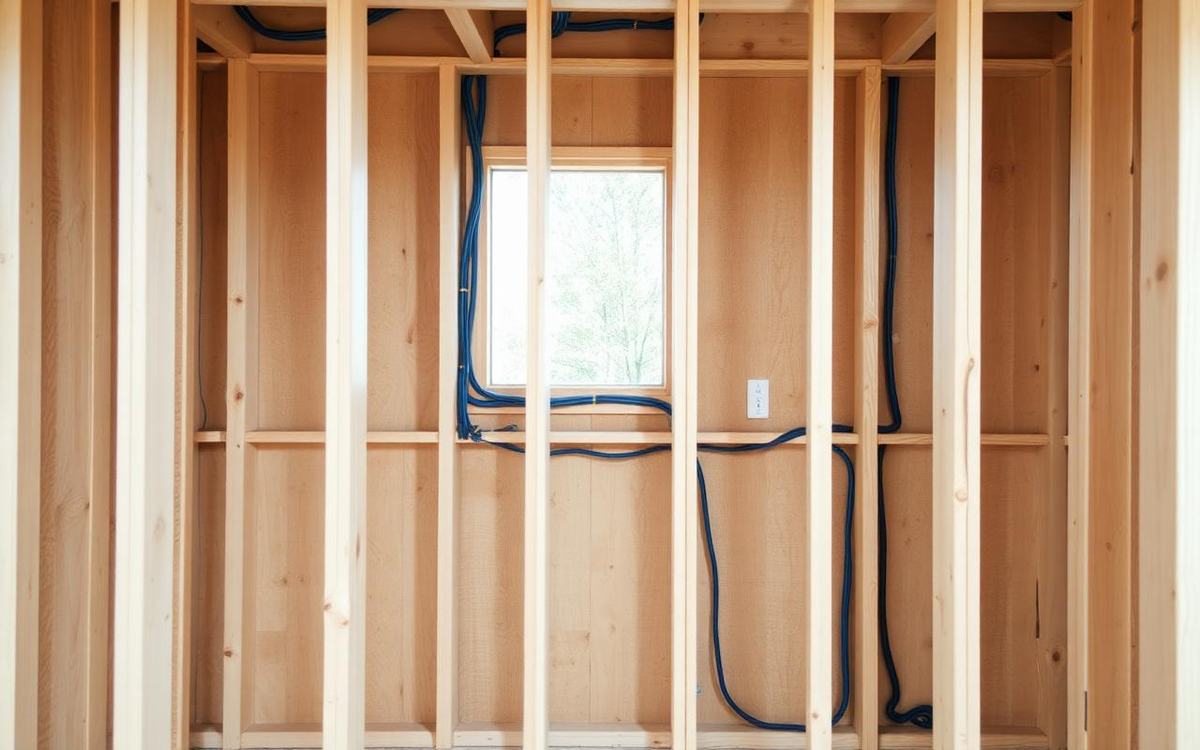
Have a licensed Master Electrician plan safe, code-compliant wiring for your basement's lighting, outlets, appliances, and dedicated circuits.
Basement Electrical Services We Provide
We offer a full range of basement electrical services, ensuring every aspect of your project is covered. Our team handles everything from basic power needs to complex smart home integrations. You get a complete electrical solution from one trusted provider.
New Circuit Installation
Installing new electrical circuits provides dedicated power to specific areas or high-demand appliances in your basement. This prevents overloads on existing circuits and ensures stable power delivery. We perform load calculations to determine the exact number and type of circuits needed.
Outlet and Switch Installation
Properly placed outlets and switches make your basement functional and convenient. We install standard 120V outlets, 240V outlets for heavy appliances, and GFCI outlets for wet areas, plus smart switches and dimmers for advanced lighting control.
Basement Lighting Installation
Effective lighting transforms a basement from a dark storage area into a bright, inviting space. We design and install recessed cans, track lighting, and decorative fixtures, considering ceiling height, room purpose, and natural light availability.
Home Theater and Entertainment Wiring
A dedicated home theater or entertainment area requires specialized wiring for ideal performance, including cabling for sound systems, projectors, and multiple displays. We integrate outlets and conduits smoothly into your walls, hiding unsightly wires.
Smoke and Carbon Monoxide Detector Wiring
Hardwired detectors connect to your home's electrical system and often include battery backups, so they keep working during a power outage. We install detectors according to local building codes, so interconnected alarms all sound together for early warning.
Electrical Panel Upgrades
A basement remodel often requires an electrical panel upgrade to safely support increased power demands. We evaluate load capacity and, when needed, install the appropriate upgrade, often to 200 amps or more, so breakers stop tripping.
Planning Circuits, Lighting, Outlets, and Switches
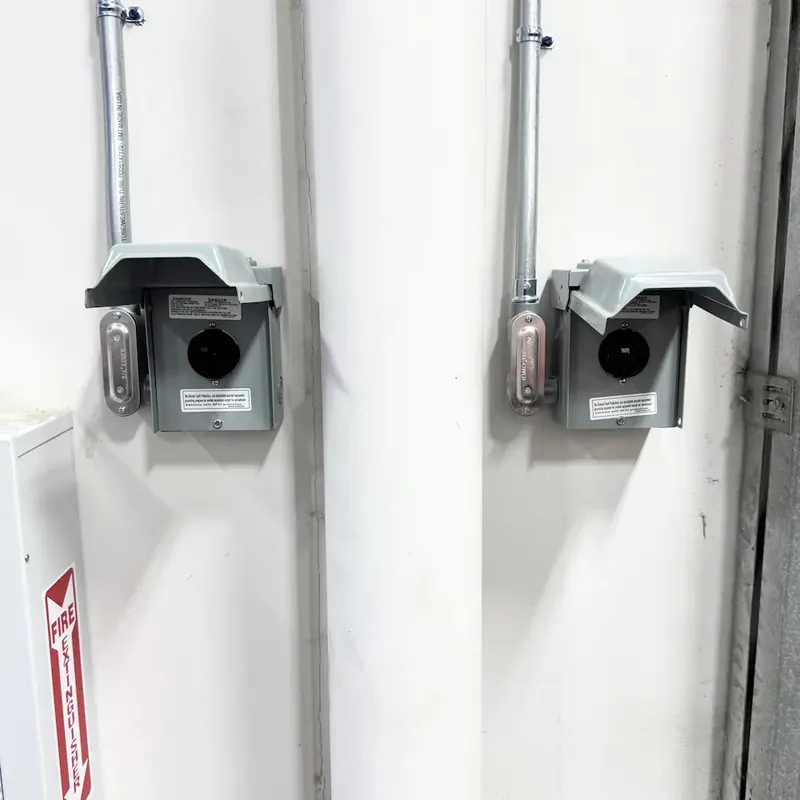
Dedicated circuits keep high-demand equipment off your general-purpose circuits, so breakers stop tripping and power stays stable. We size and plan them around how you will actually use the space.
Dedicated circuits are essential for items like:
- Home theaters
- Kitchenette appliances
- Home offices
- Workshops
- Gym equipment
We ensure each new circuit meets the National Electrical Code (NEC) requirements for safety and capacity, and we plan outlet and switch placement so power is accessible where you need it, without extension cords. We also offer lighting design and installation for energy-efficient LED options.
Electrical Panel and Capacity Considerations
A basement remodel often requires an electrical panel upgrade to safely support increased power demands. Older panels may not have enough capacity or available space for new circuits. Upgrading your panel prevents tripped breakers and ensures your home's electrical system can handle new loads.
We conduct a thorough load capacity evaluation to determine if your current panel is sufficient. If not, we recommend and install the appropriate upgrade, often to 200 amps or more. Learn more about our electrical panel upgrades.
Basement finishing and remodeling projects demand precise electrical planning from the outset. We work with homeowners and contractors to integrate electrical systems into new layouts, coordinating with other trades so wiring is installed correctly before walls are closed up. Our expertise in electric remodeling services keeps the process smooth and prevents costly rework.
Signs Your Basement Wiring Needs an Upgrade
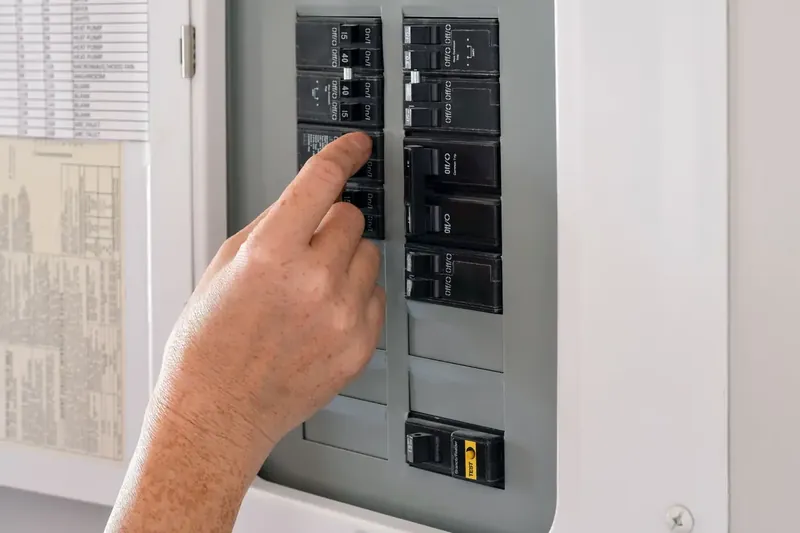
Ignoring warning signs from your electrical system can lead to safety hazards and costly repairs. Pay attention to consistent issues that indicate your basement wiring is stressed or outdated. Addressing these problems early protects your home and family.
Frequently Tripping Breakers
If circuits trip often in your basement, it indicates an overload.
Flickering Lights
Lights that dim or flicker, especially when appliances turn on, suggest inadequate power.
Warm Outlets or Switches
Outlets or switch plates that feel warm to the touch are a serious warning sign.
Burning Odors
A burning smell from outlets or the electrical panel signals overheating wires.
Outdated Wiring
Knob-and-tube or aluminum wiring needs immediate professional inspection and likely replacement.
These signs show your current electrical system may not handle modern usage safely. Our Master Electrician can diagnose the issue and provide solutions, and our electrical repairs team is available if the problem is urgent.
Basement Wiring Safety and Code Requirements
Basement wiring demands strict adherence to safety standards and local electrical codes, especially in Utah. This includes requirements for wiring methods, grounding, and the placement of outlets and lighting. We ensure every aspect of your electrical installation is compliant.
All our work meets or exceeds the National Electrical Code (NEC) and any specific Utah building codes. We also handle all necessary permits and inspections with local agencies, including city and county building departments. This helps your project pass inspection and stay safe for long-term use.
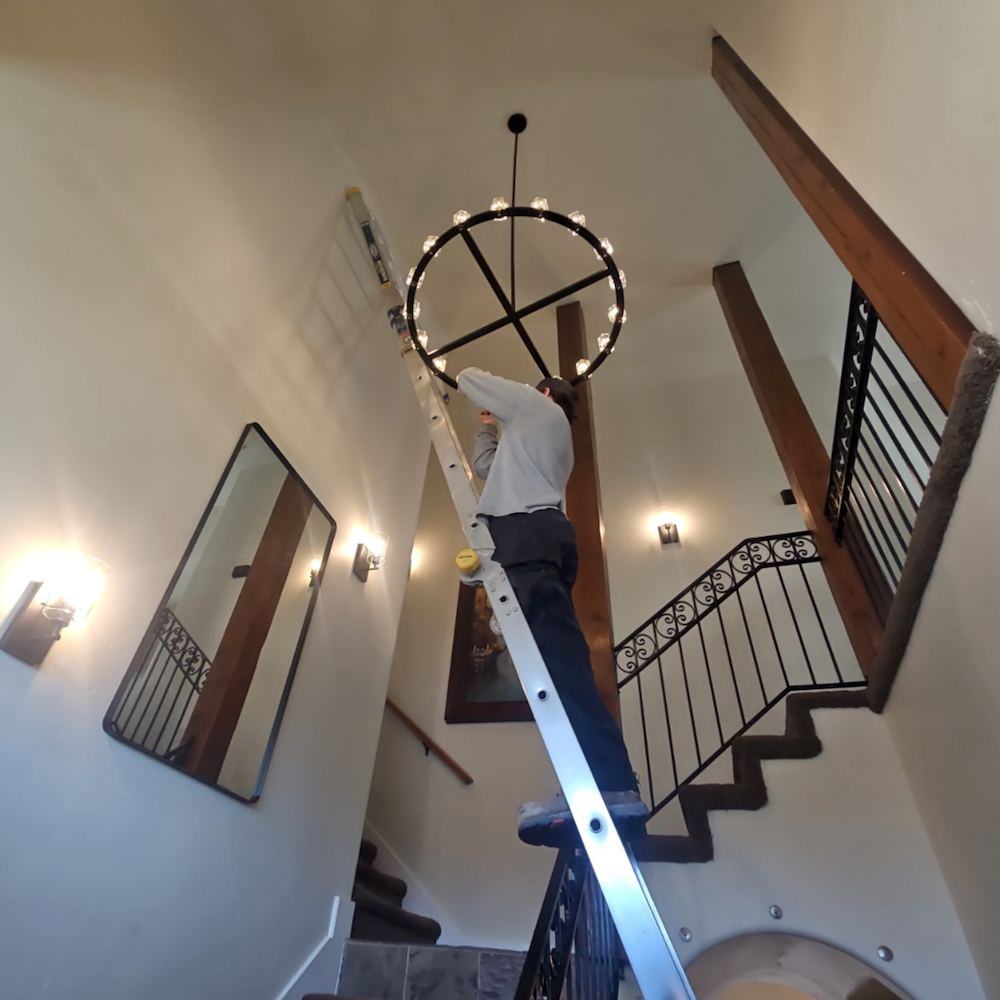
I recently had O'Bray Electric come out to install new smoke detectors and repair several outlets in my home, and I couldn't be more impressed with the experience. From the moment I scheduled the appointment, everything was smooth and professional. Tyson arrived on time, communicated clearly about the work that needed to be done, and made sure I understood my options before getting started.
Our process
Our Basement Wiring Process
Our process for basement wiring is straightforward and transparent, ensuring you understand every step. We prioritize clear communication and efficient execution. This minimizes disruption to your home while guaranteeing a safe, functional electrical system.
- 1
Consultation and Load Calculation
We start by discussing your vision for the basement and assessing your current electrical panel. We perform a load calculation to determine if your existing system can handle the planned additions.
- 2
Design and Permitting
Based on the assessment, we design an electrical plan that meets your needs and all code requirements. We then handle the entire permitting process with your local city or county building department.
- 3
Rough-In Wiring
Once permits are secured, our electricians install all the wiring, junction boxes, and mounting brackets before the walls are closed. This includes running circuits for outlets, switches, and lighting.
- 4
Inspection
We coordinate with local inspectors to ensure all rough-in electrical work passes code before insulation and drywall are installed. This vital step verifies safety and compliance.
- 5
Finishing Touches
After the walls are finished, we install all fixtures, outlets, switches, and trim. We test every connection to ensure everything works perfectly and safely.
Why Choose Our Expert Basement Electricians?
Choosing the right electrician for your basement wiring is essential for safety, functionality, and future peace of mind. Our team, led by a Master Electrician, brings expertise and a commitment to quality. We ensure your project is completed to the highest standards.
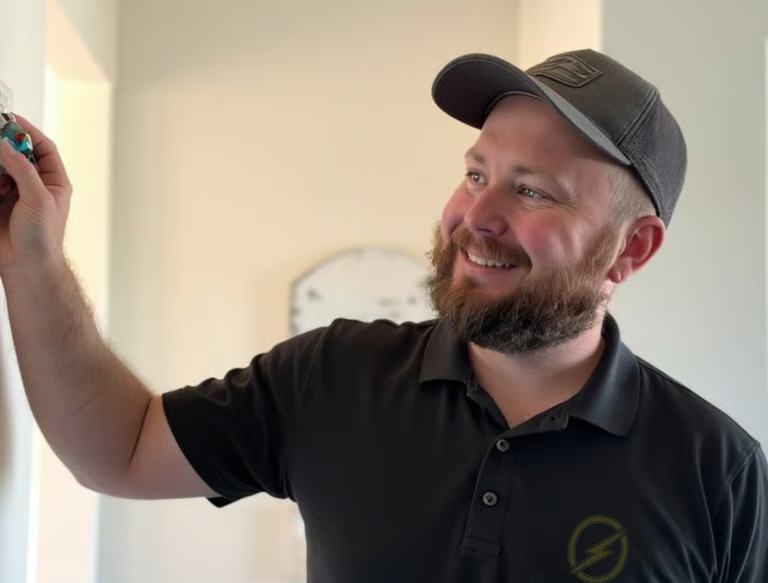
Our Master Electrician, Tyson O'Bray, personally oversees every project, guaranteeing exceptional workmanship and adherence to strict safety protocols. This level of oversight sets us apart from other contractors. We manage all permits and inspections, saving you time and stress, and we offer clear, plain-English explanations so you always know what to expect.
Tyson was great to work with and was willing to tackle an unconventional request. I plan on calling him for future electrical needs. His prices were significantly less than another company from whom I received a quote, and I just liked my experience with Tyson better.
Frequently Asked Questions About Basement Wiring
How Much Electrical Wiring Does a Finished Basement Need?
The amount of electrical wiring a finished basement needs depends entirely on its design and intended use. A simple bedroom and bathroom require less wiring than a complex space with a home theater, wet bar, and multiple dedicated circuits. We perform a load calculation and design for your specific needs. Key factors include the number of rooms, the type and quantity of lighting fixtures, the presence of a bathroom or kitchen (which requires GFCI outlets), high-power appliances such as a microwave or mini-fridge, and specialty areas like home offices or gyms.
Do Basement Outlets Need GFCI Protection?
In general, yes. The National Electrical Code requires Ground Fault Circuit Interrupter (GFCI) protection for 120-volt, 15- and 20-amp outlets in unfinished basements, and GFCI protection is also required for outlets in bathrooms and other areas near a water source in finished basements. GFCI outlets quickly cut power if a ground fault occurs, which helps prevent electric shock in potentially damp environments. Your inspection and local amendments determine the exact requirements, and we confirm them for your project.
Can My Electrical Panel Support a Basement Remodel?
Your current electrical panel's ability to support a basement remodel depends on its existing capacity and the planned electrical load of your new space. Older homes often have 100-amp panels that may not have enough room or power for a new kitchen, bathroom, or large entertainment system. We conduct a load calculation to assess this and determine whether your panel needs an upgrade to 200 amps or more, which prevents overloading and keeps the system operating safely after the remodel.
When Does a Basement Need Dedicated Circuits?
A basement needs dedicated circuits when specific appliances or areas draw significant power, preventing overloads on general-purpose circuits. Dedicated circuits are commonly needed for washing machines and dryers, sump pumps, large freezers or refrigerators, microwave ovens, electric heaters, treadmills and other gym equipment, and home theater components.
Can You Rewire an Older Basement?
Yes, we can rewire an older basement, often as part of a larger renovation or to address safety concerns. Older homes in areas like Salt Lake City or Ogden may have outdated wiring systems such as knob-and-tube or aluminum wiring, which pose fire hazards. A full basement rewire replaces old, unsafe wiring with new, code-compliant materials, which improves electrical safety and increases your home's value. We manage the full process, including necessary permits and inspections.
How Long Does Basement Wiring Take?
The duration varies widely depending on the project's scope, complexity, and the size of your basement. A simple unfinished basement with basic lighting and a few outlets might take a few days. A full remodel with multiple rooms, a bathroom, and dedicated circuits could take one to two weeks, or longer if extensive panel work is needed. The timeline depends on basement size and layout, the number of new circuits required, whether an electrical panel upgrade is needed, permit and inspection schedules, and coordination with other renovation trades.
Do I Need a Permit for Basement Electrical Work?
In nearly all cases, yes. Basement electrical work for remodels or new installations requires a permit from your local city or county building department. Permits confirm the work complies with the National Electrical Code and local building regulations. Electrical work without a permit can create problems with home inspections, insurance, and safety. Our team handles the permitting process for you and coordinates the inspections.
Get started
Contact Us for Your Basement Wiring Project
Ready to transform your basement with safe, reliable electrical wiring? Don't risk DIY mistakes or settle for less experienced contractors. Our Master Electrician ensures every detail is right, from planning to final inspection.
Experience the professionalism and peace of mind that comes with O'Bray Electric. Reach out today to schedule your free consultation and estimate.
Get A Quote
Loading the quote form...