O'Bray ElectricO'Bray Electric
CallGet a Quote
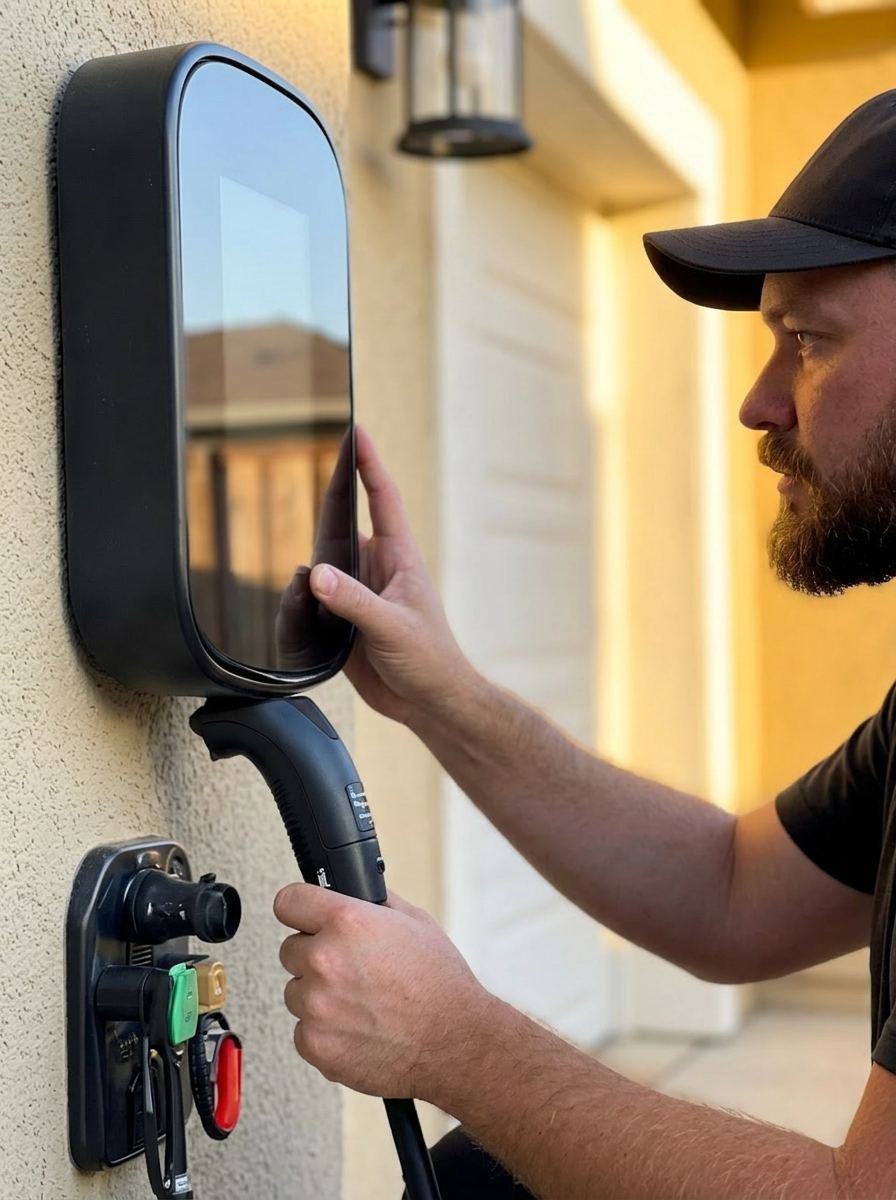
EV charging equipment mounted on a home garage wall with the charging connector in place

Home EV Charger Installation in Utah

Charge your electric vehicle conveniently at home with a professionally installed charging system. O'Bray Electric installs dedicated circuits and residential EV charging equipment with careful attention to safety, compatibility, and electrical capacity.

Master Electrician

Highest tier of electrical licensing in Utah.

Licensed & Insured

Fully licensed and insured for your protection.

100% Satisfaction

We stand behind every install with a full guarantee.

Affordable & Fair Pricing

Honest written quotes, no surprises, fair pricing every time.

Convenient and Reliable EV Charging at Home

Home charging allows you to plug in your vehicle where you park instead of relying entirely on public charging stations. However, the charging equipment must be compatible with your vehicle and properly supported by your home's electrical system.

O'Bray Electric evaluates your charger, electrical panel, available capacity, wiring route, and preferred installation location before recommending the right setup. Our family-run company is led by a licensed Utah Master Electrician and completes each installation according to applicable electrical requirements.

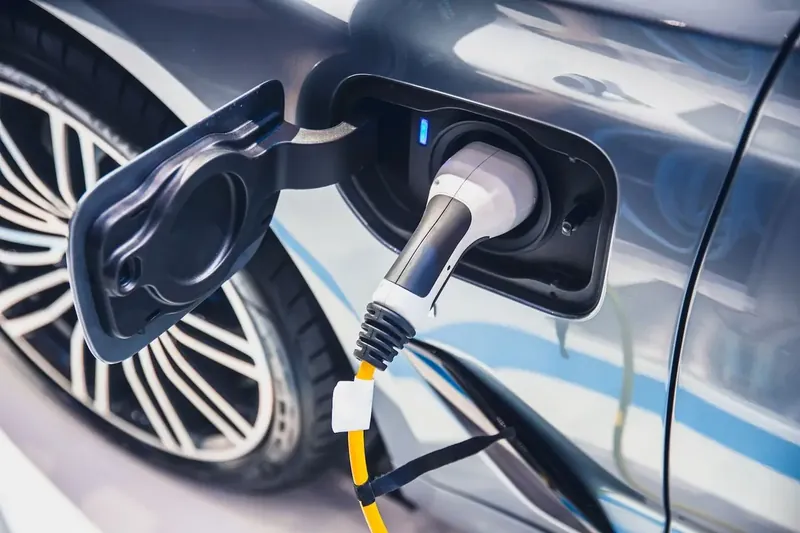
Electric vehicle connected to a home charging unit inside a garage

Home EV Charger Services We Provide

Level 2 EV Charger Installation

Level 2 chargers typically use a dedicated 240-volt circuit and can provide faster charging than a standard household outlet. The actual charging rate depends on the charger, vehicle, circuit capacity, and onboard charging system.

We install customer-supplied Level 2 charging equipment according to its manufacturer requirements and the capacity of the home's electrical system.
Hardwired EV Charger Installation

Some residential chargers are designed or recommended for a direct connection to the electrical circuit. A hardwired installation eliminates the plug-and-receptacle connection between the charger and the circuit.

We follow the charger manufacturer's installation instructions and applicable electrical requirements when completing a hardwired installation.

Plug-In EV Charger Outlet Installation

When compatible with the charging equipment and permitted by applicable requirements, a Level 2 charger may connect to a properly installed 240-volt receptacle.

The receptacle, circuit breaker, wiring, grounding, and circuit protection must all be suitable for the charger's electrical requirements. An existing outlet should not be used simply because the charger plug fits.

Electrical Panel and Capacity Assessments

Before installing a charger, we evaluate whether the electrical panel and service can safely support the additional demand.

If the existing system has sufficient capacity, installation may proceed without replacing the panel. If changes are necessary, we explain the available options before beginning the work.

EV Charger Circuit Preparation

Homeowners may want to prepare a garage, carport, or parking area for future EV charging before purchasing a charger. We can evaluate the expected charging needs and plan the electrical work around the property's current system and anticipated equipment.

The final circuit requirements should be confirmed using the specifications of the charger that will be installed.

Dedicated EV Charging Circuits

A home EV charger creates a substantial electrical load, often for several hours at a time. It generally requires a dedicated circuit that does not supply unrelated outlets, appliances, or equipment.

A dedicated charging circuit may include:

  • A correctly sized circuit breaker
  • Wiring selected for the expected electrical load
  • Required grounding
  • Appropriate circuit protection
  • A compatible receptacle or hardwired connection
  • Clear labeling at the electrical panel
  • Testing after installation

Level 1 vs. Level 2 Home EV Charging

Level 1 Charging

Level 1 charging commonly uses a standard 120-volt electrical connection. It generally provides slower charging and may be suitable for drivers with shorter daily travel distances, smaller battery needs, or more time available between trips.

A standard outlet should still be inspected to confirm that the circuit and receptacle are in suitable condition for the intended use.

Level 2 Charging

Level 2 charging uses a 240-volt circuit and generally provides faster home charging. It may be better suited to drivers who travel farther each day or want to restore more of the vehicle's battery charge overnight.

Level 2 equipment requires a dedicated circuit sized according to the charger, vehicle, manufacturer specifications, and available electrical capacity.

Which Charging Level Is Right for Your Home?

The right option depends on:

  • Your vehicle's charging capabilities
  • Your typical daily driving distance
  • The amount of time available for charging
  • The charger's electrical requirements
  • Your electrical panel and service capacity
  • The distance between the panel and parking area
  • Whether you plan to purchase another EV
  • Your preferred charger location

Our electricians can review these factors and explain which installation options your home can support.

Electrician routing yellow electrical cable through wall framing for a dedicated circuit

Charger and Vehicle Compatibility

Not every charging unit is appropriate for every vehicle or electrical system. Before installation, confirm that the equipment is compatible with your vehicle and includes the correct charging connector or an approved adapter.

Important details include:

  • Charger voltage and amperage requirements
  • Vehicle charging capacity
  • Connector type
  • Manufacturer installation instructions
  • Indoor or outdoor equipment rating
  • Plug-in or hardwired configuration
  • Cable length
  • Wi-Fi or smart-charging requirements
  • Required circuit protection

O'Bray Electric handles the electrical installation, but homeowners should confirm vehicle compatibility with the charger manufacturer or vehicle manufacturer before purchasing equipment.

Can Your Electrical Panel Support an EV Charger?

An open breaker space does not necessarily mean the electrical system has enough capacity for a home EV charger. A load calculation is needed to evaluate the home's existing demand and the proposed charging load.

Our assessment may consider:

  • The electrical service capacity
  • The panel's rating and condition
  • Available and compatible breaker spaces
  • Existing household electrical loads
  • Charger power requirements
  • Major appliances and HVAC equipment
  • Planned electrical additions
  • Grounding and bonding
  • The proposed wiring route
  • Applicable electrical requirements

Some homes can support a Level 2 charger without major electrical changes. Others may require load-management equipment, panel modifications, a main panel replacement, or an electrical service upgrade. We recommend additional work only when the assessment shows that it is necessary.

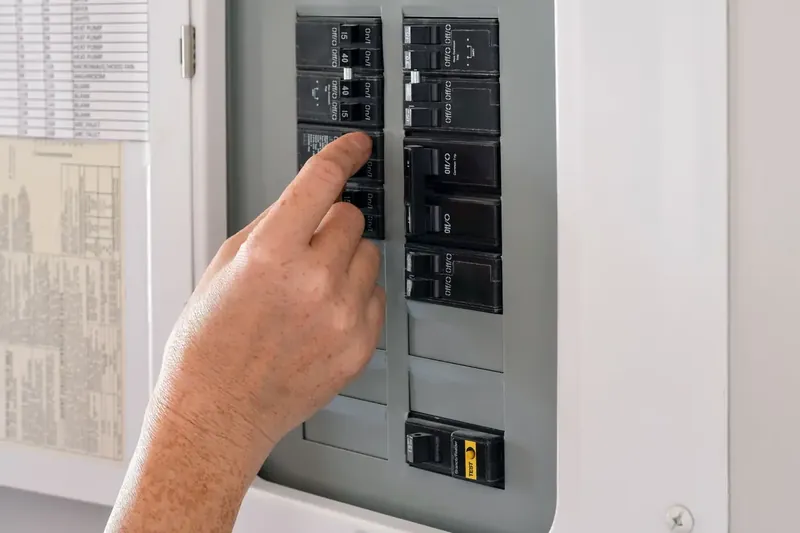
Residential electrical panel with circuit breakers being evaluated

Choosing the Best Location for Your Home EV Charger

Charger placement affects convenience, cable reach, wiring requirements, and installation cost. We help homeowners select a practical location based on the parking arrangement and electrical system.

Possible installation locations include:

  • Inside an attached garage
  • Inside a detached garage
  • Near the electrical panel
  • Beside the primary parking space
  • On an exterior garage wall
  • Near a driveway or covered parking area
  • In another manufacturer-approved indoor or outdoor location

Outdoor installations require equipment approved for exterior use and a placement that accounts for weather exposure, physical protection, and cable management.

The charging cable should reach the vehicle without being stretched, pinched, or placed where it creates an avoidable tripping or driving hazard.

Benefits of Professional EV Charger Installation

Professional installation helps ensure the charger is safely integrated with your home's electrical system.

Benefits may include:

  • Correct circuit and wire sizing
  • Proper breaker selection
  • Verification of available electrical capacity
  • Safe grounding and connections
  • Appropriate circuit protection
  • Code-compliant installation
  • Practical charger placement
  • Secure charger mounting
  • Clear electrical panel labeling
  • Testing before regular use
  • Management of applicable permits and inspections

A charger should not be installed without accounting for the continuous electrical demand it places on the system.

Common EV Charger Installation Concerns

Schedule an electrical assessment if:

  • The electrical panel has no open breaker spaces
  • The panel is outdated, damaged, or corroded
  • Breakers already trip when major appliances operate
  • The proposed charger is far from the electrical panel
  • The garage has limited electrical wiring
  • You need charging equipment installed outdoors
  • You are unsure whether the charger supports your vehicle
  • The charger requires more capacity than the existing circuit provides
  • You plan to charge more than one electric vehicle
  • An existing EV charging outlet feels warm or appears damaged

Do not use an extension cord, travel adapter, or unverified outlet configuration as a permanent substitute for a properly installed charging circuit.

Our Home EV Charger Installation Process

  1. 1

    Review Your Vehicle and Charging Equipment

    We discuss your vehicle, charger specifications, daily charging needs, preferred location, and whether the equipment will be hardwired or plugged into a receptacle.

  2. 2

    Evaluate the Electrical System

    Our electrician inspects the electrical panel, service capacity, available breaker spaces, grounding, existing electrical loads, and other relevant components.

  3. 3

    Complete an Electrical Load Evaluation

    We determine whether the home can safely support the proposed charging load. If additional electrical work is necessary, we explain the available options before installation.

  4. 4

    Plan the Charger Location and Wiring Route

    We identify a practical location for the charger and determine how the new circuit will run from the electrical panel to the charging area.

  5. 5

    Install the Circuit and Charging Equipment

    Our team installs the breaker, wiring, required circuit protection, receptacle or hardwired connection, and charging equipment included in the approved scope.

  6. 6

    Test and Label the Installation

    After installation, we test the circuit and charger connection, confirm that protective devices operate correctly, and clearly label the new circuit at the electrical panel.

  7. 7

    Complete Applicable Inspection Requirements

    When a permit or inspection is required, O'Bray Electric coordinates the applicable steps and prepares the completed installation for approval.

Tyson O'Bray, Master Electrician and owner of O'Bray Electric

Why Choose O'Bray Electric?

Installing an EV charger involves more than mounting equipment on a wall. The circuit must be planned around the charger, vehicle, electrical panel, household demand, and installation environment.

Homeowners choose O'Bray Electric because we provide:

  • Work led by a licensed Utah Master Electrician
  • Careful electrical load evaluation
  • Correct breaker and wire sizing
  • Code-compliant installation
  • Clear explanations and practical recommendations
  • Indoor and outdoor installation options
  • Hardwired and compatible plug-in installations
  • Management of applicable permits and inspections
  • Personal service from a family-run electrical company
  • Thorough testing after installation

We focus on providing a charging setup that works safely with your vehicle and home electrical system.

Frequently Asked Questions

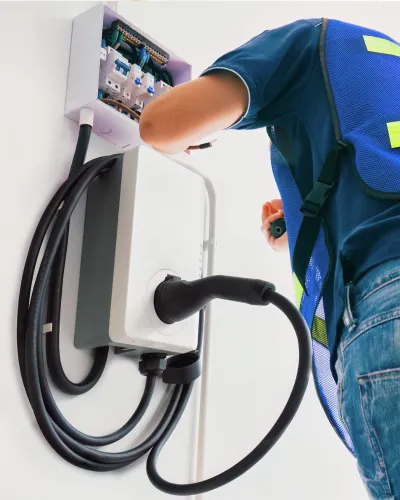
Electrician in a safety vest wiring a wall-mounted EV charger beside an open electrical enclosure

Does a home EV charger need a dedicated circuit?

Level 2 home chargers generally require a dedicated circuit because they create a significant electrical load for extended periods. The correct circuit size depends on the charger specifications and applicable electrical requirements.

Can my existing electrical panel support a Level 2 charger?

Possibly. An electrician must evaluate the panel, electrical service, existing household demand, and charger requirements. An available breaker space alone does not confirm that the system has sufficient capacity.

Do I need to replace my electrical panel before installing an EV charger?

Not always. Many homes can support EV charging without panel replacement. If the panel lacks capacity, is in poor condition, or cannot accommodate the required circuit, additional work may be necessary.

Is a hardwired or plug-in EV charger better?

Both configurations may be appropriate. The right choice depends on the charger design, circuit requirements, preferred placement, manufacturer instructions, and applicable codes. We can explain the installation options after reviewing your equipment.

Can you install an EV charger outside?

Yes, when the charger is approved for outdoor installation and the location meets applicable electrical and manufacturer requirements. The equipment must be properly mounted and protected for the installation environment.

How long will it take my EV to charge at home?

Charging time depends on the vehicle, battery size, current battery level, charger output, circuit capacity, temperature, and onboard charging system. Review the vehicle and charger specifications for estimates specific to your equipment.

Do I need a permit for home EV charger installation?

Permit and inspection requirements vary by jurisdiction and project scope. O'Bray Electric can manage the applicable permitting and inspection requirements for the installation.

Schedule Your EV Charger Assessment

Make home charging safer and more convenient with an installation designed around your vehicle and electrical system. O'Bray Electric will evaluate your charging needs, confirm the available capacity, and recommend an appropriate setup.

Get A Quote

Loading the quote form...